Description
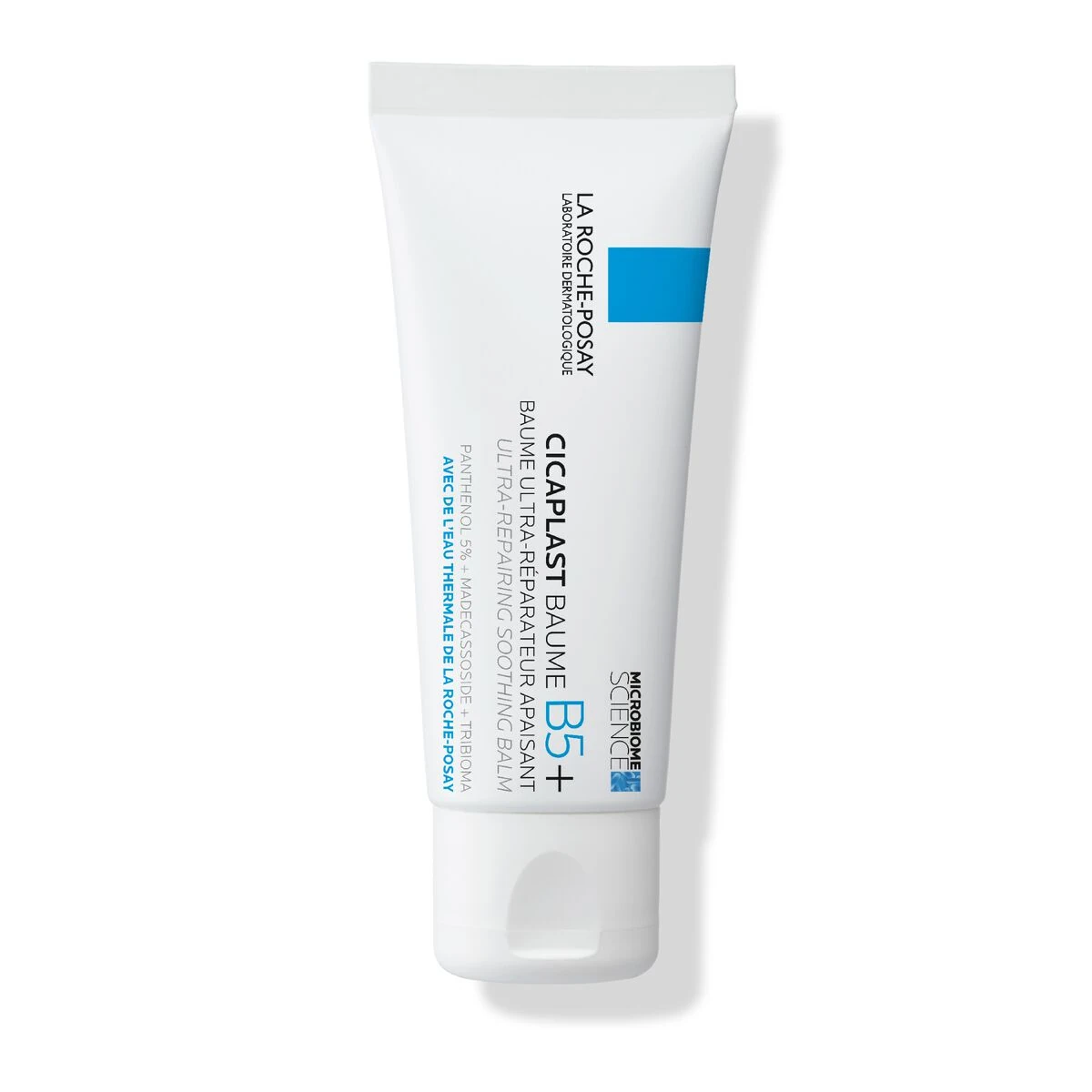
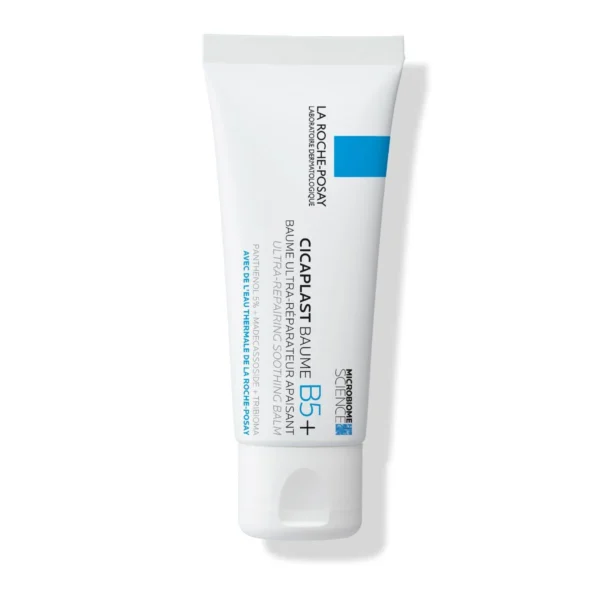
Cicaplast Baume B5+ is La Roche-Posay’s multi-purpose repair balm, available here in both the 40 ml and the 100 ml tube. It is the product dermatologists reach for after a laser session, the one parents keep for nappy rash, and the one you want in the drawer the day an acid peel goes further than you intended. This page covers what is actually in it, which claims are backed by what, and one thing about the formula that is regularly misunderstood in a way that can get you burnt.
What Cicaplast Baume B5 actually is
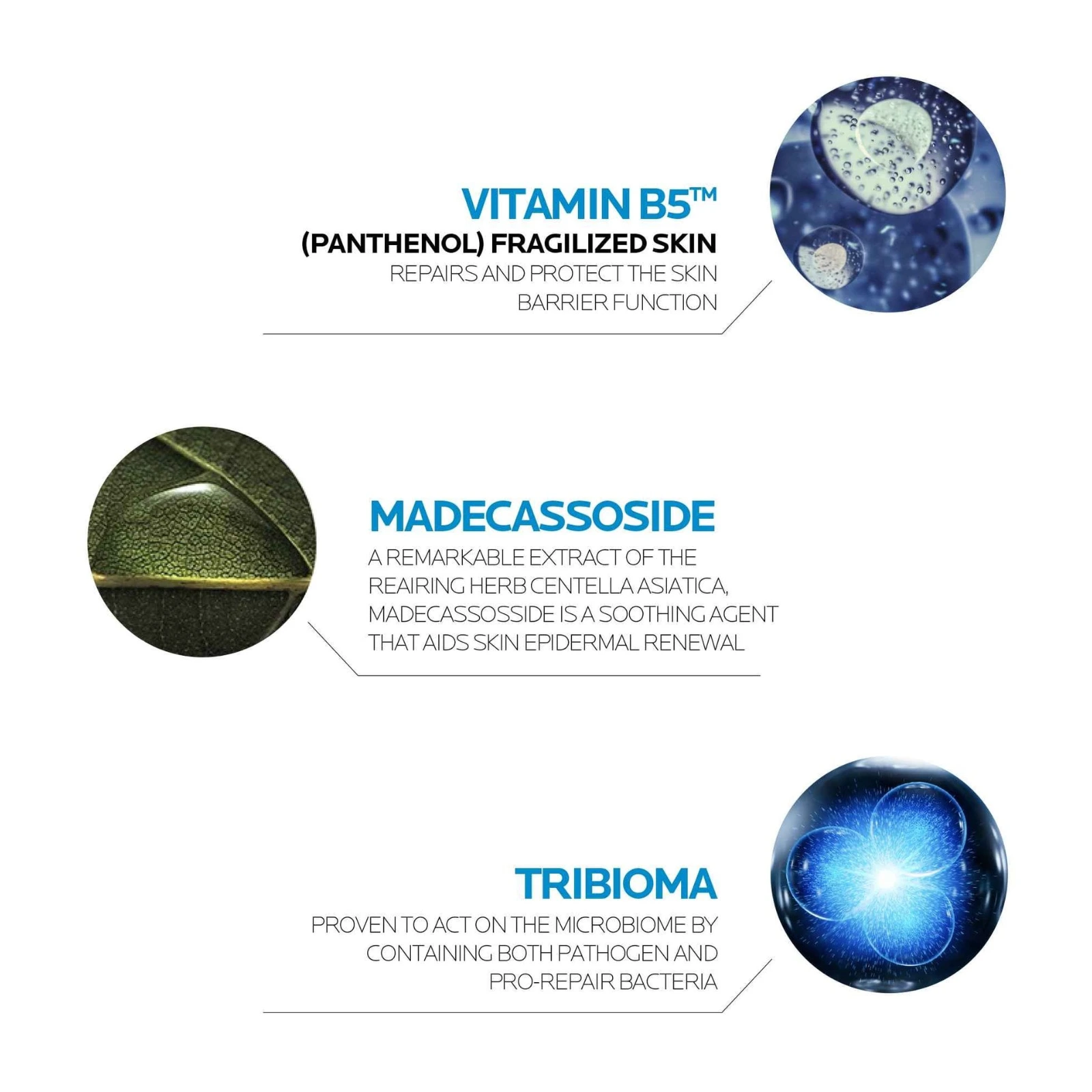
Cicaplast Baume B5+ is a thick, fragrance-free, white occlusive balm built around 5% panthenol — La Roche-Posay states that figure openly, which is rarer than it should be. Around the panthenol sit madecassoside from centella asiatica, shea butter, glycerin, and a trio of mineral gluconates: zinc, manganese and copper.
It is not a moisturizer in the everyday sense. A moisturizer is for daily comfort; Cicaplast Baume B5 is for repair — a skin barrier that has been broken by irritation, over-exfoliation, wind, a procedure, or plain friction. Used as an all-over daily face cream in Dhaka humidity it will feel like too much. Used on the specific patch of skin that is angry, it is superb.
We stock both sizes on this page. La Roche-Posay also sells a 15 ml handbag size, which we do not currently stock. Between the two we do carry, the 40 ml is the one to buy for face, lips and small areas or for trying it first; the 100 ml is the one to buy if you are treating hands, elbows, a nappy area or anything larger, because it works out cheaper per millilitre.
Which size should you buy
The formula is identical in both tubes — same 33 ingredients, same fragrance-free deck, same 5% panthenol. Only the amount differs.
Buy the 40 ml if you are treating your face, lips, knuckles or a small patch, if you want it in a bag, or if you are trying Cicaplast Baume B5+ for the first time and do not want to commit. Buy the 100 ml if you are treating body areas — forearms, elbows, heels, a nappy area — because it is meaningfully cheaper per millilitre and you will get through a small tube faster than you expect.
The one number La Roche-Posay publishes
La Roche-Posay states the formula contains 5% vitamin B5 (panthenol). That holds up against the ingredient list, where panthenol sits 6th of 33 — exactly where a 5% inclusion lands on a deck this size. It is the only concentration the brand discloses, and it is the best-evidenced ingredient in the tube. Everything else on this page is stated as position on the ingredient list, which is the honest alternative to guessing.
The full ingredient list
Transcribed from La Roche-Posay’s own current published listing (formula code F.I.L. N70011474/1), the Cicaplast Baume B5+ formula runs to 33 ingredients: Aqua / Water, Hydrogenated Polyisobutene, Dimethicone, Glycerin, Butyrospermum Parkii (Shea) Butter, Panthenol, Zea Mays (Corn) Starch, Propanediol, Butylene Glycol, Cetyl PEG/PPG-10/1 Dimethicone, Trihydroxystearin, Centella Asiatica Leaf Extract, Polymnia Sonchifolia Root Juice, Zinc Gluconate, Madecassoside, Manganese Gluconate, Alpha-Glucan Oligosaccharide.
Continuing: Silica, Aluminium Hydroxide, Magnesium Sulfate, Mannose, Capryloyl Glycine, Caprylyl Glycol, Vitreoscilla Ferment, Citric Acid, Trisodium Ethylenediamine Disuccinate, Lactobacillus, Acetylated Glycol Stearate, Maltodextrin, Polyglyceryl-4 Isostearate, Tocopherol, Pentaerythrityl Tetra-Di-T-Butyl Hydroxyhydrocinnamate, CI 77891 / Titanium Dioxide. Note that “Tribioma” is La Roche-Posay’s trade name for the prebiotic complex, not an INCI ingredient — on the list it is the alpha-glucan oligosaccharide, vitreoscilla ferment and lactobacillus entries. There is no parfum, fragrance or essential oil anywhere in the 33.
Three things are worth pulling out of that list, and we will take them one at a time.
There is no fragrance in it — and you can check
No Parfum. No Fragrance. No essential oil. No listed allergen. On a product designed for broken, post-procedure and infant skin, that is not a nice-to-have, it is the whole point. It is also the easiest claim on this page for you to verify yourself: read the panel.
“Tribioma” is a brand name sitting in an ingredient list
Look at the list again and you will see Tribioma printed where an INCI name should be. Tribioma is not a standard cosmetic ingredient name — it is La Roche-Posay’s trade name for a prebiotic complex. What is it made of? The European pack does not say. But the American version of this product is regulated as an over-the-counter drug, and its label breaks the complex out into Alpha-Glucan Oligosaccharide, Vitreoscilla Ferment, Lactobacillus and Polymnia Sonchifolia Root Juice. Same idea, published in one market and hidden behind a trade name in the other. We think you should know both.
The titanium dioxide is a colourant, not a sunscreen
This is the one that matters. Cicaplast Baume B5+ has no SPF. None. The CI 77891 at the end of the list is titanium dioxide used as a white pigment — it is what makes the balm opaque and why it leaves a faint white cast. It is not there at a sun-protective level and it is not tested as a sunscreen.
La Roche-Posay sells a separate Cicaplast Baume B5 UV SPF 50 for exactly this reason. If you are using Cicaplast Baume B5 on post-laser or post-peel skin, that skin needs real sun protection layered over it or kept out of the sun entirely. Do not let the white finish fool you.
What the clinical claims actually say
La Roche-Posay puts real numbers on Cicaplast Baume B5, which we respect. But numbers come with footnotes, and the footnotes are where the honesty lives.
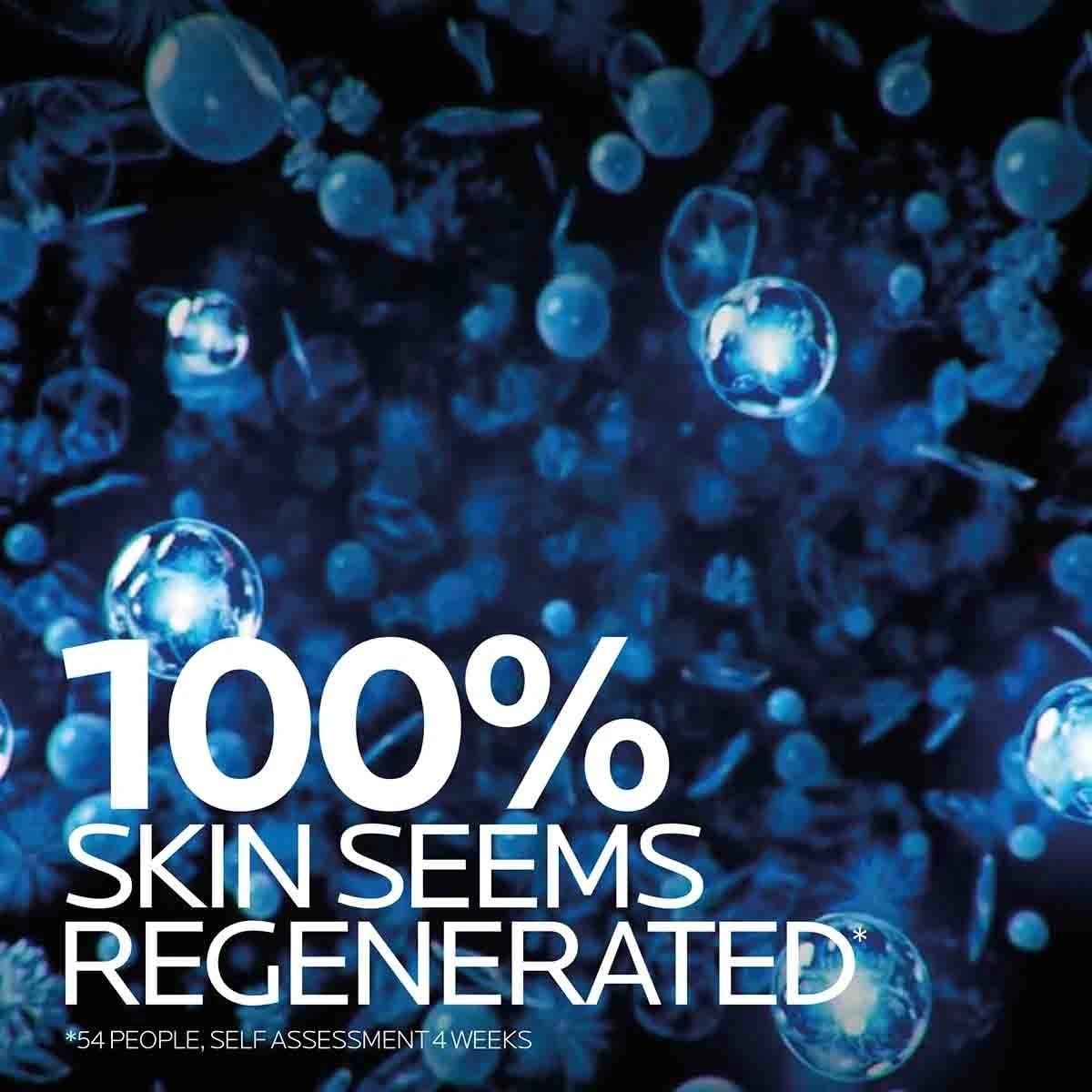
- “100% skin seems regenerated.” The asterisk reads: 14 people, self-assessment, 4 weeks. Fourteen people, marking their own homework. It is not a lie — it is simply a very small self-reported study, and “100%” of fourteen is fourteen.
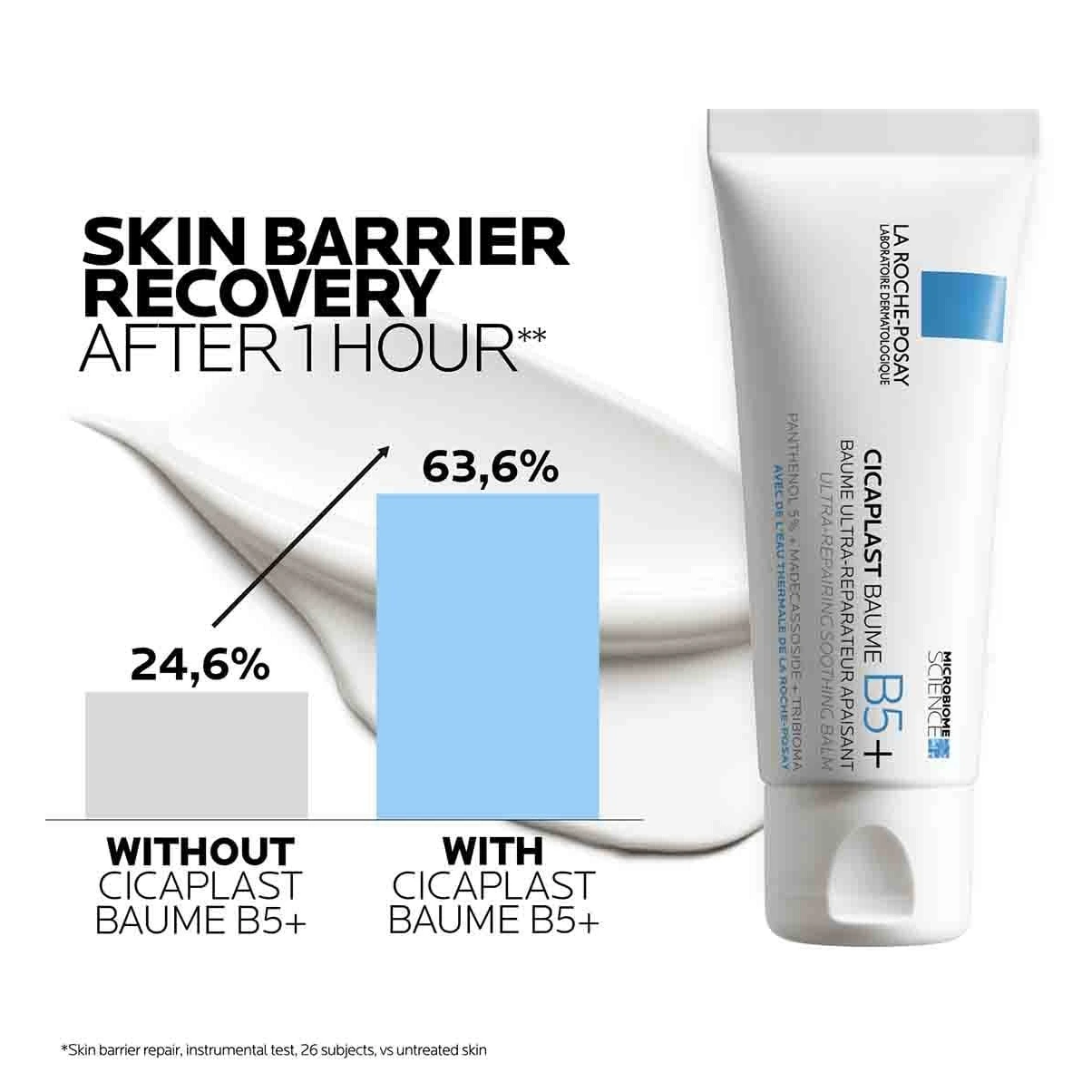
- “Skin barrier recovery after 1 hour: 24.6% without vs 63.6% with.” This one is a measured instrumental result and a genuinely strong showing.
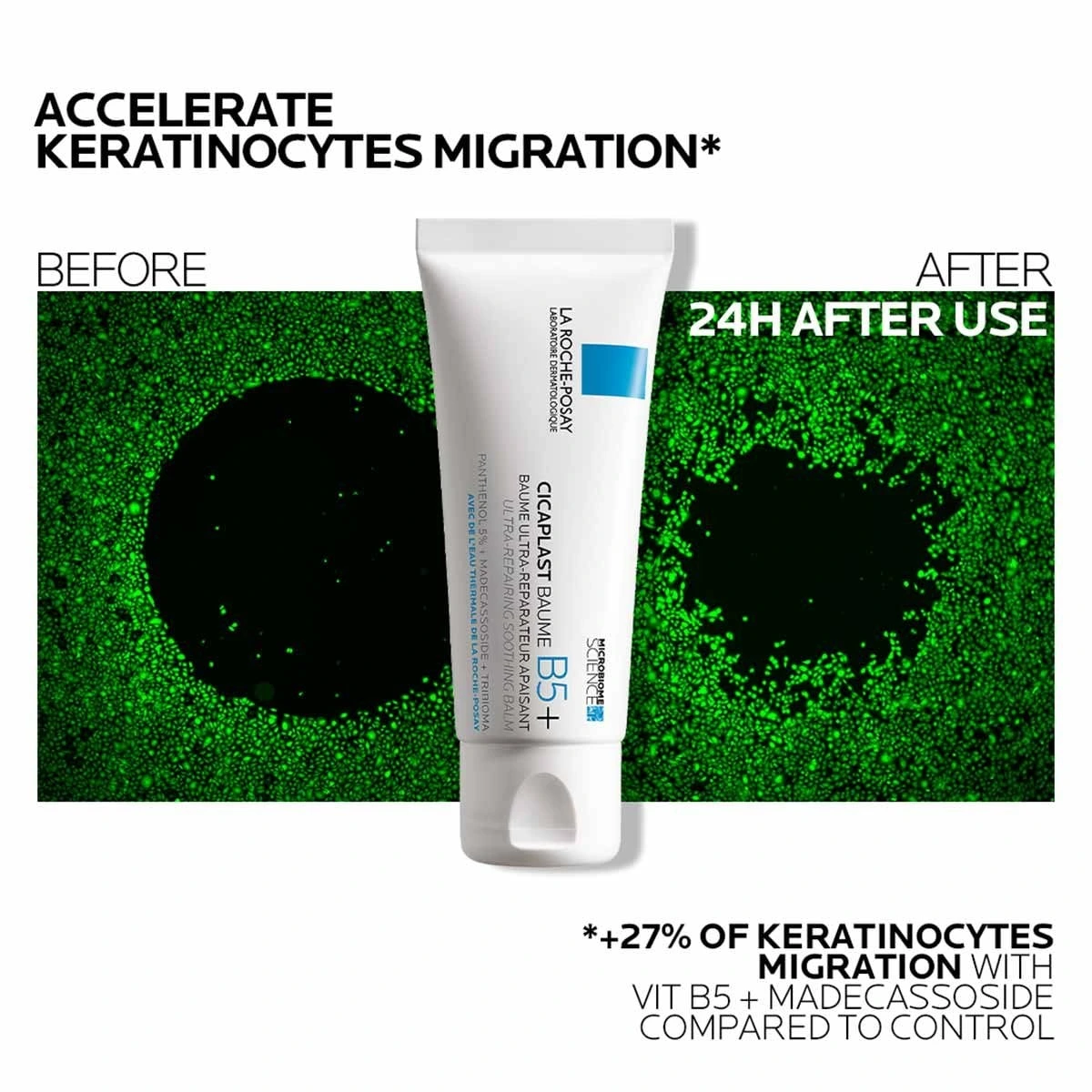
- “+27% keratinocyte migration” with vitamin B5 and madecassoside versus control. That is an in-vitro cell-culture result, not a result on your face. Encouraging, not conclusive.
- “Tested on 14 skin conditions” including post-laser, post-peeling and the skin side effects of chemotherapy and radiotherapy. This is the claim we would weight most heavily, because it reflects how the product is actually used in clinics.
Put together: Cicaplast Baume B5 is well-evidenced for what it claims to do. It is a repair balm with real data behind it. It is not a miracle and the “100%” is doing a lot of work in a very small room.
Europe and America sell two different formulas under one name
Here is something we found while checking sources and would rather publish than bury. The tube sold across Europe, the Middle East and Asia is called Cicaplast Baume B5+ and is regulated as a cosmetic. The tube sold in the United States is called Cicaplast Balm B5+ and is regulated as an over-the-counter drug, with Dimethicone 1% named as its active ingredient in a Drug Facts panel.
They are not identical. The European Cicaplast Baume B5 contains Copper Gluconate; the American one does not. The European version uses Aluminum Starch Octenylsuccinate where the American one uses corn starch. The American label spells out the microbiome ingredients; the European one compresses them into “Tribioma.”
We sell the European-market Baume, EAN 3337875816847. If you have read an American review of Cicaplast Baume B5, you have read about a slightly different product.
How to use Cicaplast Baume B5
La Roche-Posay’s own direction is short: apply to clean, dry skin twice a day, generously, on body, face and lips, avoiding the eye contour.
In practice, the uses our customers actually buy it for:
- After acids or retinoids went too far. Stop the active, use Cicaplast Baume B5 twice daily on the affected area until the skin stops stinging, then reintroduce slowly.
- Cracked heels, knuckles and cuticles. Thick balm, occlusive base — this is what it is built for.
- Chapped lips. Officially approved for lips, and better than most lip balms because there is nothing in it to react to.
- Post-procedure. After laser, microneedling or peels — but follow whatever your clinician told you first.
- Nappy rash and infant dry patches. Marketed for babies, children and adults. Ask your paediatrician for an infant, especially a newborn.
- Shaving and waxing aftercare. Fragrance-free means no sting.
What we would not do in this climate is use Cicaplast Baume B5 as an all-over daytime face cream. It is heavy, slightly shiny and slightly white. At night on dry patches, it is excellent.
Things we would rather you knew before buying
- It leaves a white cast. The titanium dioxide is a pigment. On deeper skin tones it is visible until it settles. This is normal, not a defect.
- It contains silicones. Dimethicone and hydrogenated polyisobutene form the occlusive film. If you avoid silicones on principle, this is not the product for you.
- It contains aluminium compounds — aluminum starch octenylsuccinate and aluminum hydroxide, both as texture and absorbency agents. Some customers ask; the answer is yes.
- No period-after-opening figure is published for Cicaplast Baume B5 on the brand pages we checked. Treat it as roughly twelve months once opened.
- Country of manufacture is not published on the brand pages either. La Roche-Posay is a French house; the carton on the tube you receive is the document that settles it, and we would rather say “check the carton” than guess for you.
Everything above can be checked against La Roche-Posay’s own Cicaplast page, including the ingredient list and the 5% panthenol figure.
Who should buy Cicaplast Baume B5, and who should not
Buy it if: you use retinoids or acids and want insurance against overdoing it; you get seasonal eczema, chapped lips or cracked heels; you have had or are booking a laser, peel or microneedling session; you shave or wax and react; you have a baby with dry patches or nappy rash; or you are going through chemotherapy or radiotherapy and need something with no fragrance and no sting.
Skip it if: you want a daily face moisturizer — buy an actual moisturizer, it will feel better and cost less per use; you avoid silicones; you want an anti-ageing, brightening or acne product, because Cicaplast Baume B5 treats none of those things; or you were hoping the white finish meant sun protection, because it does not.
The single most common mistake we see is people buying a 100 ml repair balm to use as an everyday cream. It works, in the sense that any occlusive works, but you will not enjoy it in Bangladeshi weather and you will get through it in six weeks.
Zinc, manganese and copper — the part nobody explains
Three mineral gluconates sit in the middle of the list, and they are the least-discussed part of the formula. Zinc gluconate is the one most people have heard of: it has a long history in soothing and sebum-related products. Manganese and copper gluconates appear in La Roche-Posay’s soothing range as part of the same trio and have been used in dermo-cosmetics for decades.
What La Roche-Posay does not publish is how much of each is present, or a study isolating their contribution to what Cicaplast Baume B5 does. They sit below madecassoside in the list, which places them at fractions of a percent. So treat them as supporting cast, not headline actives. Anyone telling you the copper is what makes this balm work is going well beyond what the brand has published.
The same applies to shea butter. It is fifth in the list, ahead of the panthenol, so there is a real amount of it — but shea is doing texture and occlusion work here, not repair work.
Questions we get asked about Cicaplast Baume B5
Can I use it on my face every day?
You can, and some very dry skins should. Most people in this climate will not want to. It is thick, slightly shiny and leaves a faint white film. Use it on the areas that need it rather than the whole face, and use a lighter cream everywhere else.
Is it safe for babies?
La Roche-Posay markets it for babies, children and adults, and the American version of the label goes further and says from one week of age. That said, newborn skin is its own subject and we are a shop, not a clinic. Ask your paediatrician, especially for a baby under three months.
Does it help acne scars or post-acne marks?
Not directly. Cicaplast Baume B5 supports the barrier while skin heals, which is a real and useful thing when a spot has been picked or a treatment has left the skin raw. But it contains no ingredient that fades pigmentation. For marks you want a targeted product; this is the thing you use so the skin heals cleanly in the first place.
Can I put it on an open wound?
No. This is a cosmetic balm for irritated and compromised skin, not a wound dressing, and the European version is not a medicine. Broken skin, bites, burns and anything weeping should be seen by a doctor.
Will it clog my pores?
It is an occlusive balm with silicones and shea butter, and La Roche-Posay does not label it non-comedogenic in the way CeraVe does for its cream. Used in patches on damaged skin it is rarely a problem. Used as a nightly all-over face mask on acne-prone skin, it might be. Judge by area, not by the whole face.
What is the difference between Baume B5 and Baume B5 UV?
The UV version adds SPF 50 sun protection. The standard Cicaplast Baume B5+ has none at all. If you are treating post-procedure skin during daylight hours, that difference is the whole ballgame.
How long does a tube last
Used properly — targeted, twice daily, on affected areas — a 100 ml tube lasts most people several months and a 40 ml tube two to four months. Used as an all-over body balm, neither will last six weeks.
Is it tested on animals?
La Roche-Posay states it does not test on animals, in line with EU law. We repeat that as a brand statement and hold no independent certification for it.
Where Cicaplast Baume B5 fits alongside the rest of your routine
Think of it as the fire extinguisher rather than the daily driver. Your daily barrier cream does the routine work — our CeraVe Moisturizing Cream 453g is the obvious partner and costs less per gram for everyday use. Cicaplast Baume B5 comes out when something has gone wrong.
If you exfoliate with the Anua BHA 2% Gentle Exfoliating Toner or the The Ordinary AHA 30% + BHA 2% Peeling Solution, owning a repair balm is not optional — it is what lets you keep using strong actives without ending up with a damaged barrier. Browse our full moisturizers range to build the rest of the routine.
And to say it once more, because it is the thing people get wrong: Cicaplast Baume B5 offers no sun protection. Repairing skin burns easily. Sunscreen on top, every morning.
Cicaplast Baume B5 compared with the alternatives
Customers usually arrive at this page having also looked at a plain petrolatum ointment, a ceramide cream, or a centella gel. They do different jobs and it is worth being clear about which one you actually need.
Versus plain petroleum jelly. Petrolatum is the gold standard occlusive and it costs almost nothing. What it does not contain is panthenol, madecassoside or the mineral gluconates, and it does not absorb — it sits. Cicaplast Baume B5 is the version with active repair ingredients and a texture you can wear during the day. If budget is the constraint, petrolatum on cracked heels overnight is genuinely fine. On a face, the balm is the better experience.
Versus a ceramide cream. A ceramide cream rebuilds barrier lipids over weeks of daily use. Cicaplast Baume B5 shields and calms over hours and days. Most people who are serious about their skin end up owning both — the cream for every night, the balm for the week after something goes wrong.
Versus a centella or cica gel. Korean cica gels are lightweight and pleasant in humid weather, which is a real advantage here. They are also far less occlusive, so they soothe without sealing. For genuinely broken or post-procedure skin, the sealing is the point.
Versus the 40 ml tube. Same formula, less product, more per millilitre. If you already know you like Cicaplast Baume B5, the 100 ml is the size that makes financial sense.
Buying Cicaplast Baume B5+ in Bangladesh
We stock the European tube, and the photography on this page is La Roche-Posay’s own official imagery for each size, so you can match the tube that arrives against the tube shown here. Store it below 30°C and keep the cap closed — an occlusive balm in a hot room will separate and go runny.
If you are unsure whether you need a repair balm or an everyday moisturizer, message us first. Cicaplast Baume B5 is a specialist product and there is no point buying 100 ml of a specialist product for a job an ordinary cream would do better.
Reviews
There are no reviews yet.