Description
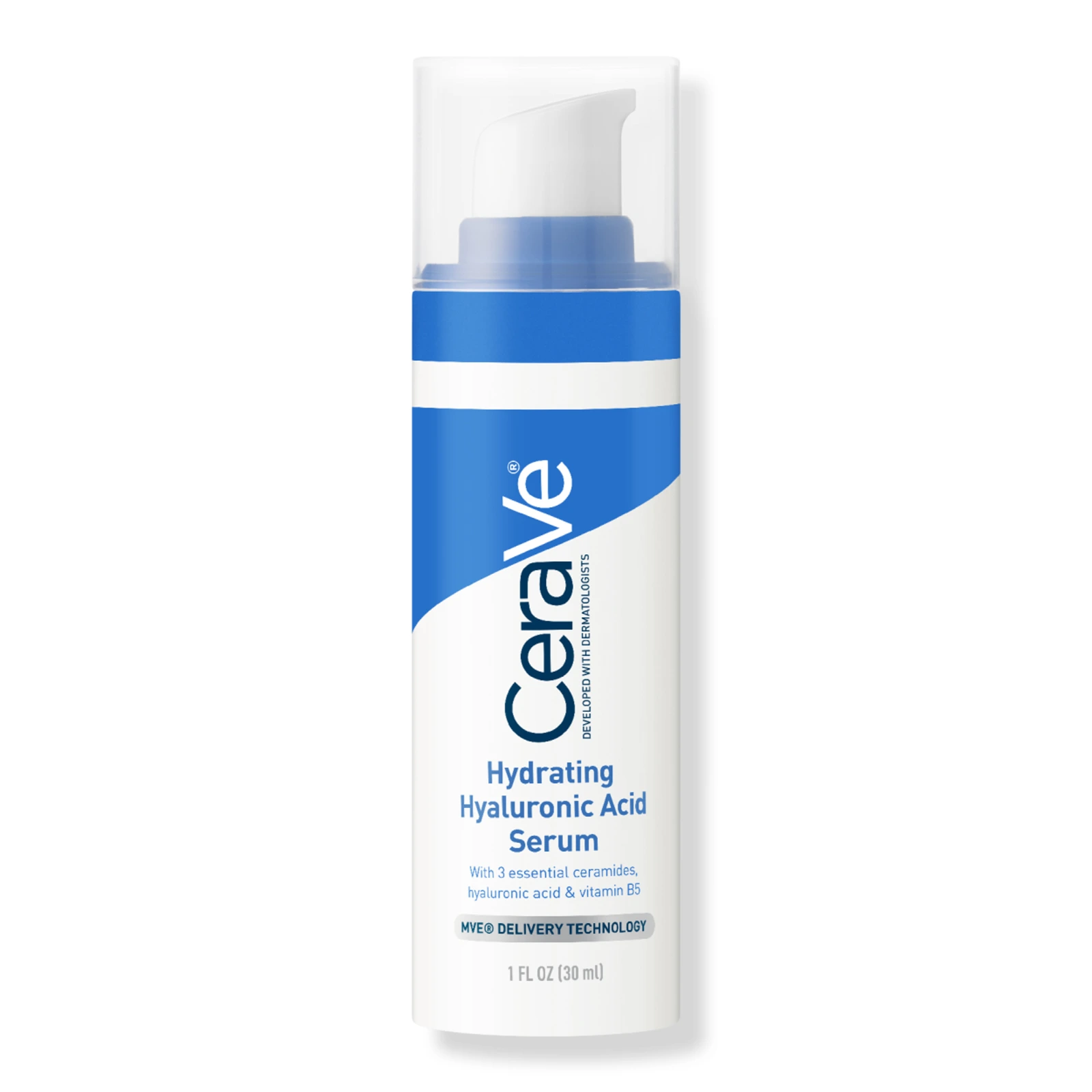
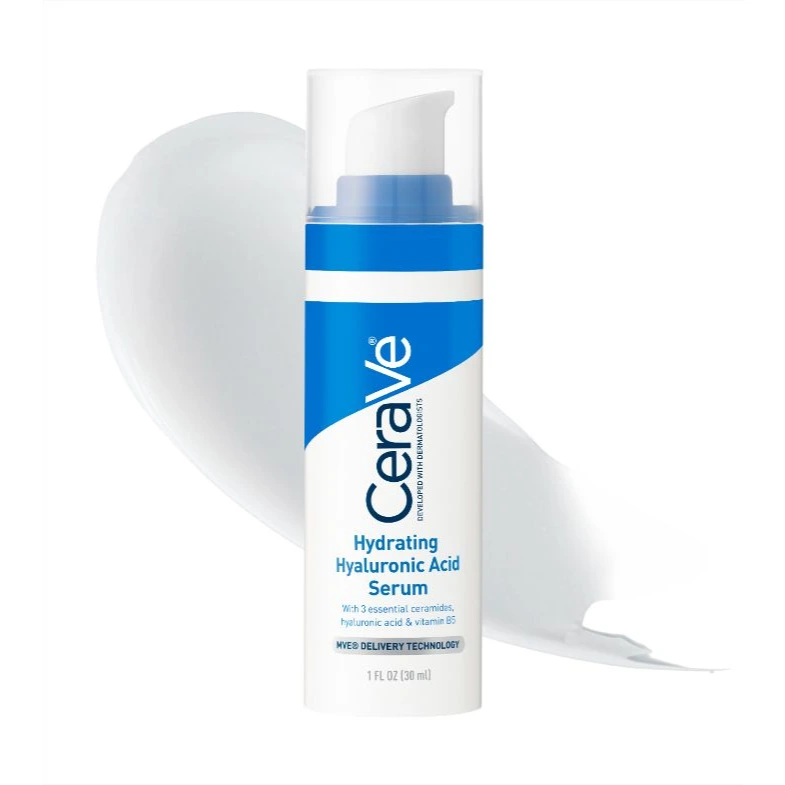
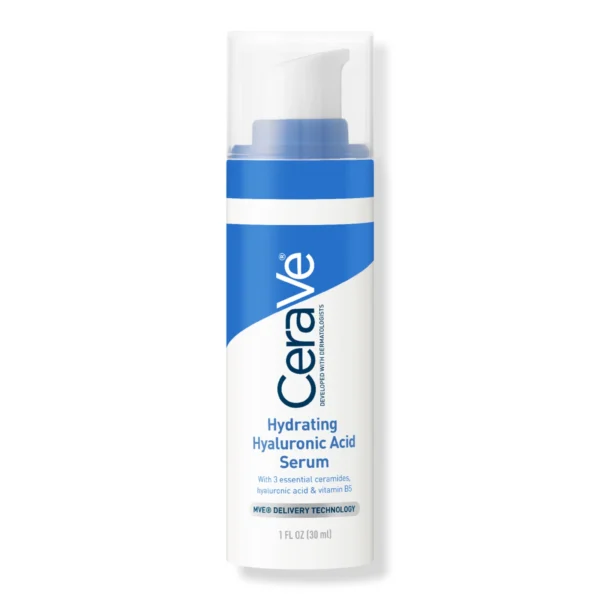
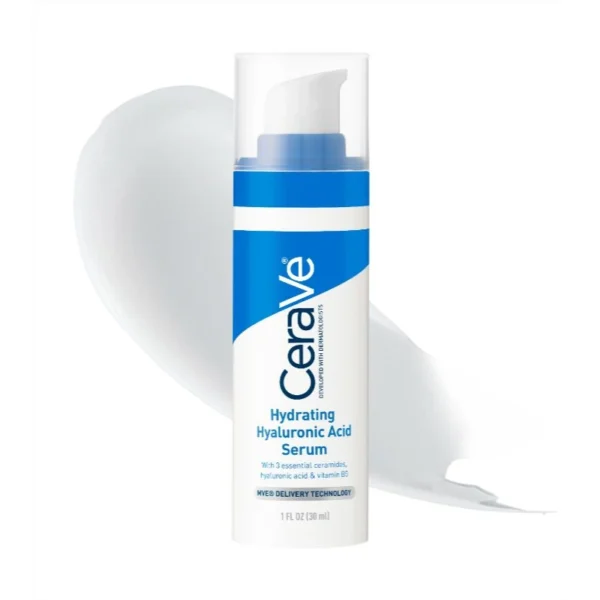
CeraVe Hyaluronic Acid Serum is the 30 ml pump most people buy expecting a clear, watery gel — and then find is a white lotion. That is not a fault and it is not a fake. It is what the formula actually is, and understanding why changes how you should use it. This page gives you the full ingredient list, the sample sizes behind the claims, and one tension in the labelling that we think you should decide about yourself.
What CeraVe Hyaluronic Acid Serum actually is
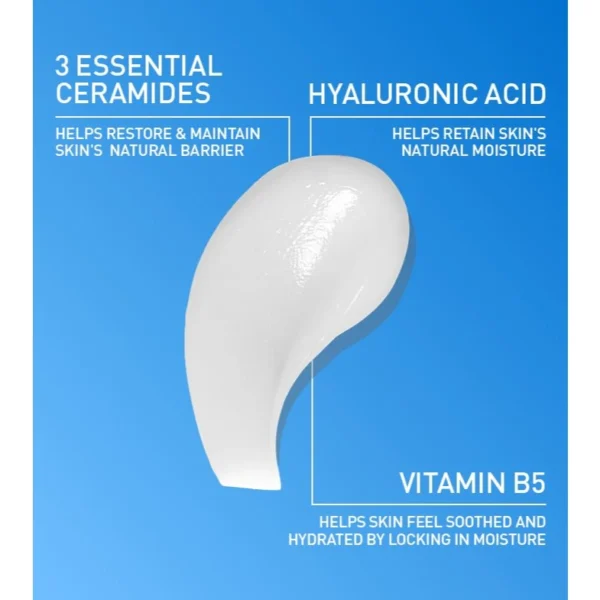
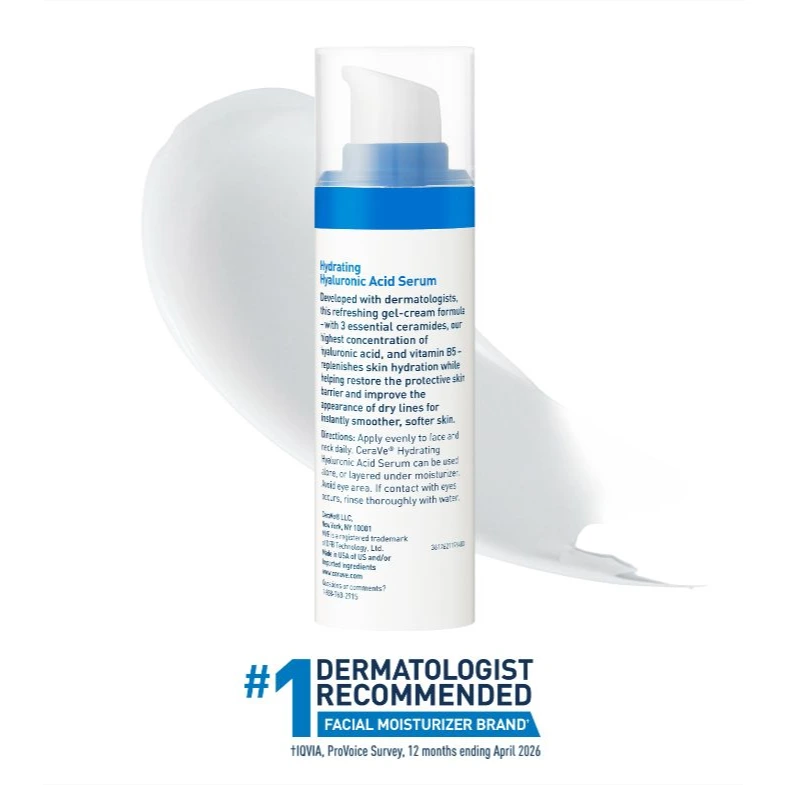
CeraVe Hyaluronic Acid Serum is a lightweight hydrating serum for the face and neck, built on hyaluronic acid, three skin-identical ceramides, vitamin B5 and cholesterol. CeraVe positions it as the hydration step between cleansing and moisturising, and it is genuinely good at that job.
But look at the first four ingredients: water, glycerin, cetearyl ethylhexanoate and dimethicone. That is an emulsion — a light lotion with an emollient ester and a silicone in it — not the clear humectant gel that the phrase “hyaluronic acid serum” usually describes. CeraVe Hyaluronic Acid Serum is opaque and creamy by design.
Why it matters: a clear HA gel puts water on your skin and needs a moisturiser over it to hold that water in. This one brings its own occlusive layer. In practice that means it does more of the moisturiser’s job than a typical HA serum does — which, in Bangladeshi weather, may mean you need less on top.
The full ingredient list
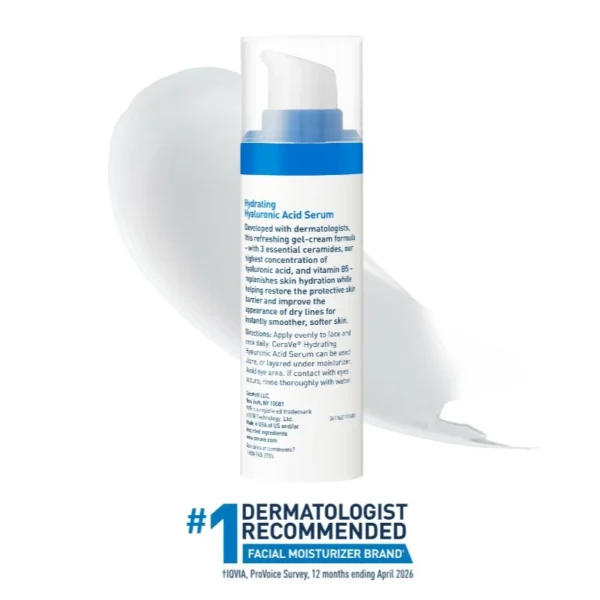
Aqua/Water, Glycerin, Cetearyl Ethylhexanoate, Dimethicone, Ammonium Polyacryloyldimethyl Taurate, Sodium Hyaluronate, Panthenol, Ceramide NP, Ceramide AP, Ceramide EOP, Carbomer, Cetearyl Alcohol, Behentrimonium Methosulfate, Sodium Hydroxide, Sodium Lauroyl Lactylate, Cholesterol, Phenoxyethanol, Disodium EDTA, Isopropyl Myristate, Caprylyl Glycol, Citric Acid, Xanthan Gum, Phytosphingosine, Ethylhexylglycerin.
CeraVe Hyaluronic Acid Serum has twenty-four ingredients, no fragrance, no parabens and no alcohol. The fragrance-free claim on CeraVe Hyaluronic Acid Serum is verifiable directly from that list, which is more than many brands can say.
Glycerin is doing more work than the hyaluronic acid
Sodium hyaluronate — the salt form of hyaluronic acid, and the more stable one — sits sixth, behind water, glycerin and two texture ingredients. Glycerin sits second.
Both are humectants; both pull water into the upper layers of skin. Glycerin is cheaper, smaller, better studied and, at second position, present in far greater quantity. So while the bottle says hyaluronic acid, a fair description of CeraVe Hyaluronic Acid Serum is that it is a glycerin serum with hyaluronic acid in it.
That is not a criticism. Glycerin is excellent and there is nothing wrong with a formula that uses the best humectant available. But no percentage of hyaluronic acid is published — not on the pack, not on CeraVe’s site, not anywhere — so anyone quoting you a number is making it up.
The full barrier lipid set
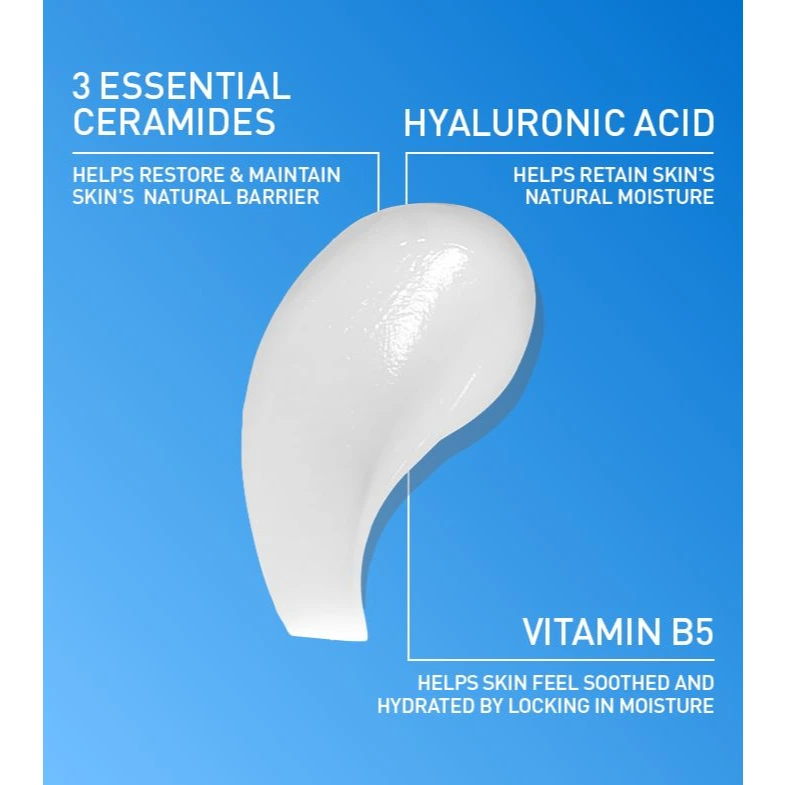
The serum carries Ceramide NP, Ceramide AP and Ceramide EOP, plus cholesterol and phytosphingosine. This is the same lipid system CeraVe uses in its creams, and it is what separates this from a generic HA serum: it does not just add water, it helps the skin hold onto it. Panthenol (vitamin B5) at seventh adds soothing and its own humectant effect.
The one tension in the labelling
Here is something we would rather raise than leave for you to find in a forum. Isopropyl myristate sits nineteenth in CeraVe Hyaluronic Acid Serum, and it is an ingredient with a long-standing reputation for being comedogenic — it scores at or near the top of the old comedogenicity scales.
At the same time, the product is labelled non-comedogenic.
Both things can be true, and here is the fair explanation. Those comedogenicity ratings come from studies done decades ago on rabbit ears, at high concentrations, on single raw ingredients. They tell you very little about a finished formula where the ingredient sits nineteenth of twenty-four. Modern non-comedogenic claims are made on the finished product, tested on human skin, which is the more relevant test.
So we would not avoid CeraVe Hyaluronic Acid Serum on this basis. But if you are acne-prone and have a history of reacting to esters, you now know the ingredient is in there and where it sits. That is your call to make with the information, not ours to make by omitting it.
The claims and their sample sizes
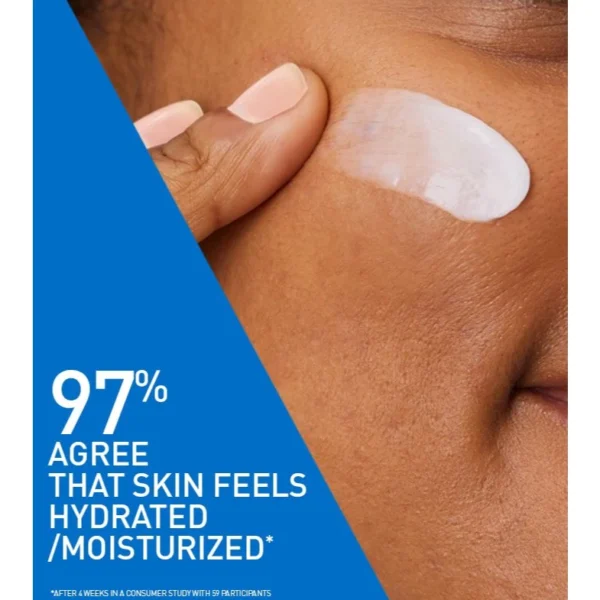
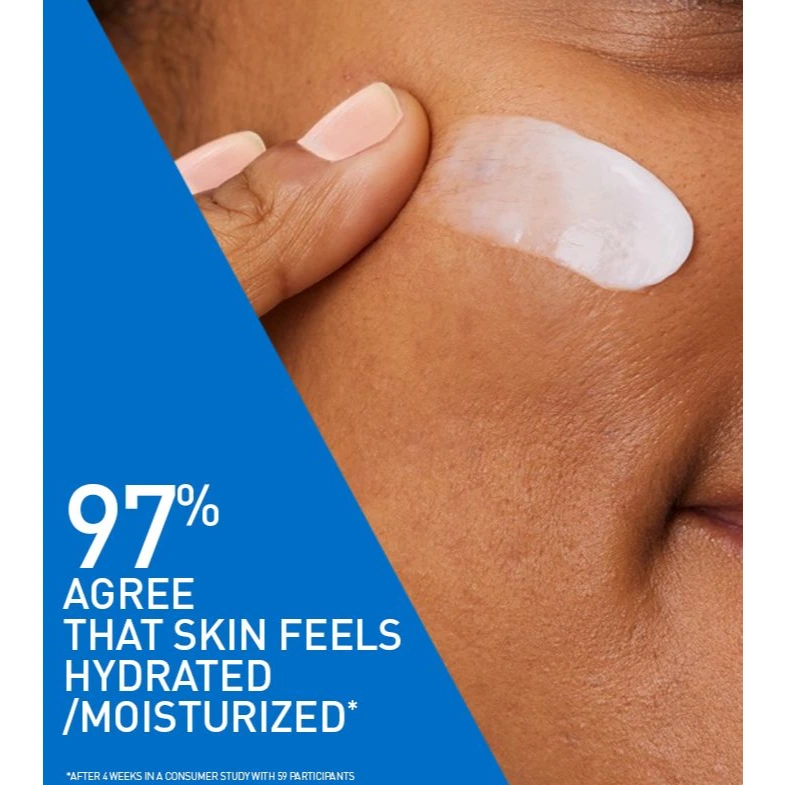
CeraVe’s headline number for this product is “97% agree that skin feels hydrated/moisturized”. We enlarged the footnote so you can read it: after 4 weeks in a consumer study with 59 participants.
Fifty-nine people, self-reporting how their skin felt, over four weeks. That is a normal consumer-perception study and it is not nothing — but it measures opinion, not hydration. No instrumental measurement of skin water content is published for CeraVe Hyaluronic Acid Serum.
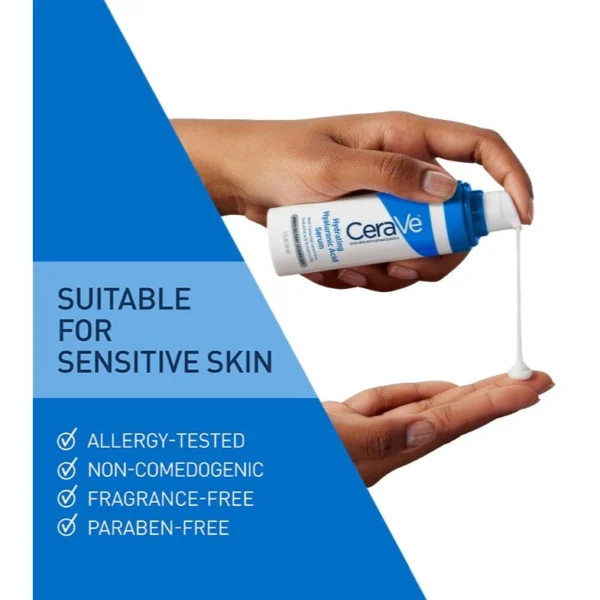
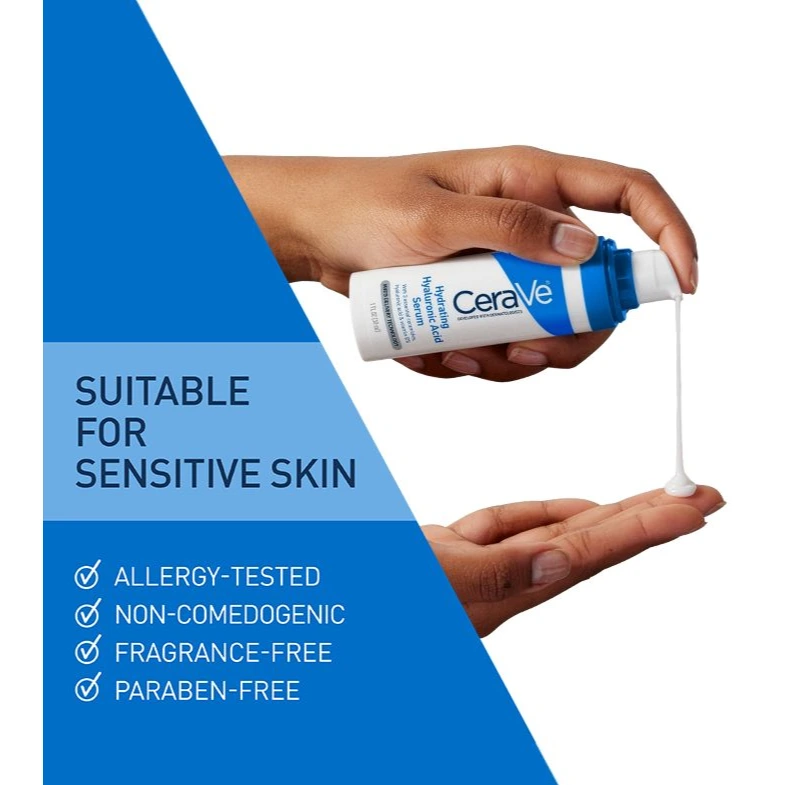
The other claims on the pack — allergy-tested, non-comedogenic, fragrance-free, paraben-free, suitable for sensitive skin — are standard testing and formulation claims, and the ingredient list supports all of them except the comedogenic question above.
Hyaluronic acid in Bangladeshi humidity — the good news
There is a real piece of skincare advice behind CeraVe Hyaluronic Acid Serum that gets repeated wrongly online, and Dhaka happens to be on the right side of it.
Humectants like hyaluronic acid and glycerin pull water from wherever they can reach. In a very dry environment — a European winter, an aeroplane cabin, an over-air-conditioned office — a humectant with nothing sealing it in can draw water out of the deeper skin and let it evaporate, leaving skin drier than before. That is the origin of the “HA made my skin worse” complaint.
Bangladesh’s ambient humidity means that problem barely applies here. There is plenty of moisture in the air for a humectant to work with for most of the year. CeraVe Hyaluronic Acid Serum is close to an ideal climate match, and the ceramides and dimethicone in it provide the sealing layer anyway.
Two caveats worth knowing:
- Air-conditioned offices are the dry environment, even in Dhaka. If you sit under AC all day, keep a moisturiser over the serum.
- Apply to damp skin. Straight after cleansing, while the face is still slightly wet. This is the single biggest difference between a humectant working and not working.
How to use CeraVe Hyaluronic Acid Serum
The instruction on CeraVe Hyaluronic Acid Serum is one line: apply evenly to face and neck daily, at any time of day, after cleansing and before moisturiser.
In practice:
- Two to three pumps for face and neck. The 30 ml bottle is small and it is easy to overuse.
- On damp skin, always.
- Morning and night is fine. There is nothing in it that conflicts with anything else.
- Under sunscreen in the morning; give it a minute to absorb first.
- Oily skin in summer: you may find CeraVe Hyaluronic Acid Serum is enough on its own and you can skip the moisturiser. Try it before buying a cream you do not need.
Who it suits
Buy CeraVe Hyaluronic Acid Serum if: your skin is dehydrated — tight, dull, fine lines that appear and disappear with water; you use retinoids or acids and need a hydrating buffer; you want a serum that also does some barrier work; you have sensitive skin and want something with no fragrance; or you are oily and want hydration without a heavy cream.
Look elsewhere if: you specifically want a clear, weightless HA gel — this is a lotion; you avoid silicones, since dimethicone is fourth; you want an active that treats pigmentation, texture or acne, because this treats none of them; or your skin is genuinely dry rather than dehydrated, in which case a cream will do more than a serum will.
Dehydrated and dry are not the same thing. Dry skin lacks oil; dehydrated skin lacks water. CeraVe Hyaluronic Acid Serum is built for the second problem. If your skin is flaky and rough rather than tight and dull, our CeraVe Moisturizing Cream is the better answer.
What CeraVe does not publish
- No hyaluronic acid percentage, and no molecular weight — a real gap, since molecular weight determines how deeply HA penetrates and brands that care usually say.
- No ceramide percentages.
- No pH.
- No period-after-opening figure on the brand page. Treat it as twelve months once opened.
- No instrumental hydration data — only the 59-person perception study.
- No country of manufacture online; the bottle carries it.
You can verify the ingredient list and the claims on CeraVe’s own product page. We would rather you checked us than trusted us.
Dehydration, and why this step exists at all
Most people buy a serum because they have been told to, not because they know what problem it solves. So here is the plain version.
Your skin holds water in the top layer, and it loses water constantly through evaporation. Cleansing, air conditioning, sun, wind and acids all speed that loss up. When the top layer runs low on water, skin looks dull, feels tight an hour after washing, shows fine lines that vanish when you drink a glass of water, and — counter-intuitively — often produces more oil to compensate. That is dehydration, and it happens to oily skin as often as dry skin.
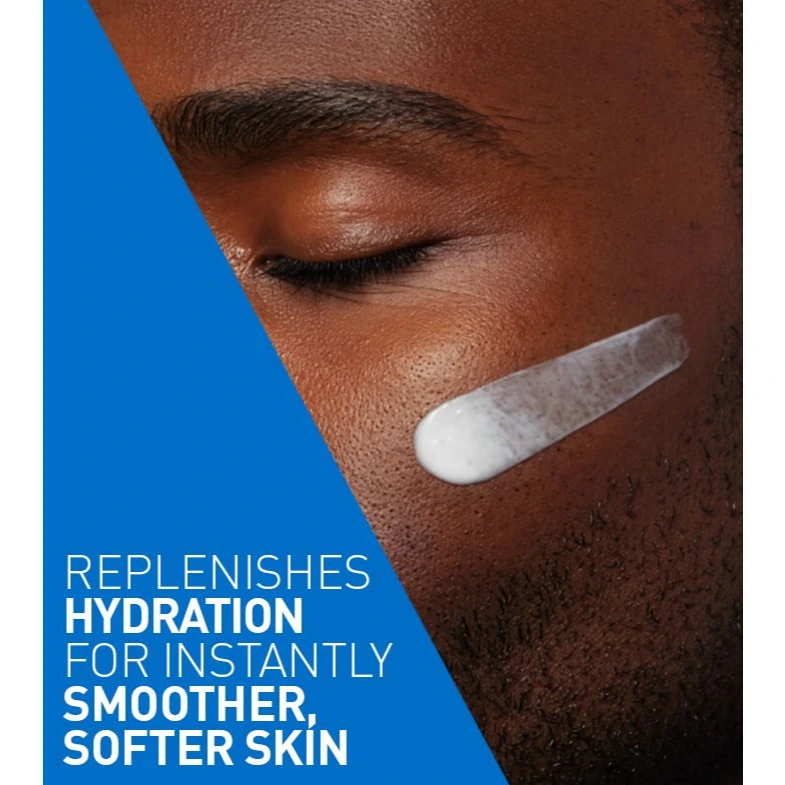
A humectant serum like CeraVe Hyaluronic Acid Serum addresses it directly: hyaluronic acid, glycerin and panthenol pull water in, and the ceramides plus dimethicone slow the rate it leaves. That is the whole mechanism. It is simple, it is well evidenced, and it is why this step exists.
What it will not do is fix dryness caused by a damaged barrier, or oiliness caused by genetics, or anything at all about pigmentation. CeraVe Hyaluronic Acid Serum is a hydration tool. Used for the right problem it works quickly — most people notice the difference inside a week — and used for the wrong one it does nothing at all.
What “hyaluronic acid” actually means on a label
Three different things get sold under this name and the difference is worth thirty seconds of your time.
Hyaluronic acid is the acid form. It is less stable and rarely what is actually in the bottle. Sodium hyaluronate is the salt form — more stable, smaller molecule, better absorbed, and what CeraVe Hyaluronic Acid Serum actually contains. Hydrolyzed hyaluronic acid is broken down further still, for deeper penetration.
Brands that take the ingredient seriously publish the molecular weights, because a large molecule sits on the surface and holds water there while a small one travels further down. Most modern HA products use a blend of two or three weights for that reason.
CeraVe publishes no molecular weight at all for this product — just “sodium hyaluronate” on the list. That is a genuine gap, and it is the main thing separating CeraVe Hyaluronic Acid Serum from the specialist HA serums that cost more. What you are buying here is a well-formulated, well-priced hydration step from a brand with a good track record, not a technically ambitious hyaluronic acid product. Priced accordingly, that is a fair trade.
Against the alternatives
Against a clear HA gel serum. A pure HA gel is lighter, absorbs faster and layers better under makeup. It also does nothing to hold the water in, so it needs a moisturiser over it or it can leave you drier in air conditioning. CeraVe Hyaluronic Acid Serum brings its own seal. Lighter is not automatically better.
Against a plain glycerin toner. Cheaper, and glycerin is the workhorse humectant in both. What the serum adds is the ceramide and cholesterol system, which a glycerin toner does not have. If budget is tight, a glycerin toner plus a ceramide cream covers most of the same ground.
Against a moisturiser alone. If your skin is dry rather than dehydrated, skip the serum and buy the cream. If it is both, you want both — the serum for water, the cream for oil.
Against the CeraVe Hydrating Toner. Same brand, similar idea, thinner texture, lower price. If you want the lightest possible hydration step, that is the one to ask us about.
Authenticity, batch codes and storage
CeraVe is heavily counterfeited in this region, and a small serum bottle is an easy thing to fake. Four things to check on any bottle of CeraVe Hyaluronic Acid Serum, wherever you buy it:
- The texture. A white, light lotion. Not clear, not watery, not gel-like. This is the single easiest tell and the one most fakes get wrong.
- The pump. Smooth, consistent, delivering a small measured dose. Cheap sticky pumps are a bad sign.
- The EAN. 3606000527997 on the carton, matching the barcode on the bottle.
- The smell. Essentially nothing. It is fragrance-free.
We photograph the bottle and the ingredient panel of every bottle we sell, so you can hold what arrives against this page. If it does not match, tell us and we will replace it.
On storage: keep it below 30°C, capped, out of direct sun. There are no light-sensitive actives in CeraVe Hyaluronic Acid Serum — no vitamin C, no retinoid — so it is a forgiving formula, but heat degrades any emulsion eventually and a bottle left in a hot car will separate.
Questions we get asked
Why is it white and not clear?
Because it is an emulsion, not a gel. Cetearyl ethylhexanoate and dimethicone give it body and a soft finish. A white CeraVe Hyaluronic Acid Serum is the correct product; a clear one would be the suspicious one.
Can I use it with vitamin C or retinol?
Yes to both. There is nothing in it that conflicts. Apply the active first, let it absorb, then this. It is a good buffer for a retinoid.
Is 30 ml enough to be worth it?
At two to three pumps daily, a 30 ml bottle of CeraVe Hyaluronic Acid Serum lasts two to three months. Small, but serums are used sparingly and this is a normal serum size.
Will it help wrinkles?
Only in the sense that hydrated skin looks plumper. CeraVe Hyaluronic Acid Serum softens fine dehydration lines and fine dehydration lines soften. It contains no retinoid, no peptide and no acid, so it does not treat wrinkles structurally. Anyone selling it as anti-ageing is overselling.
Is it safe in pregnancy?
Nothing in CeraVe Hyaluronic Acid Serum is a recognised pregnancy concern. Confirm with your doctor, not a shop.
Serum before or after moisturiser?
Before — the serum goes on first. Thinnest to thickest, always. Cleanser, serum, moisturiser, sunscreen.
Does it pill?
It can pill if you use too much or layer it too fast under sunscreen. Two pumps, one minute, then the next step.
Where it fits in your routine
Cleanse, hydrate, moisturise, protect. CeraVe Hyaluronic Acid Serum is the second step and the one most routines are missing.
Cleanse with the CeraVe Foaming Facial Cleanser or remove the day with Bioderma Sensibio H2O, apply this to damp skin, seal with CeraVe Moisturizing Cream if your skin needs it, and finish every morning with sunscreen. If you are exfoliating with the Anua BHA 2% Toner, this is the layer that keeps that routine comfortable. Browse the rest of our serums to compare.
Buying CeraVe Hyaluronic Acid Serum in Bangladesh
We import the 30 ml CeraVe Hyaluronic Acid Serum pump and photograph the bottle we sell, ingredient panel included, so you can match what arrives against this page. Keep it out of direct sun and away from heat.
If you are not sure whether your skin is dry or dehydrated — the difference that decides whether you want this or a cream — message us and describe how your face feels twenty minutes after washing. That one answer settles it nearly every time.
Reviews
There are no reviews yet.