Description
What the Abib Quick Sunstick is
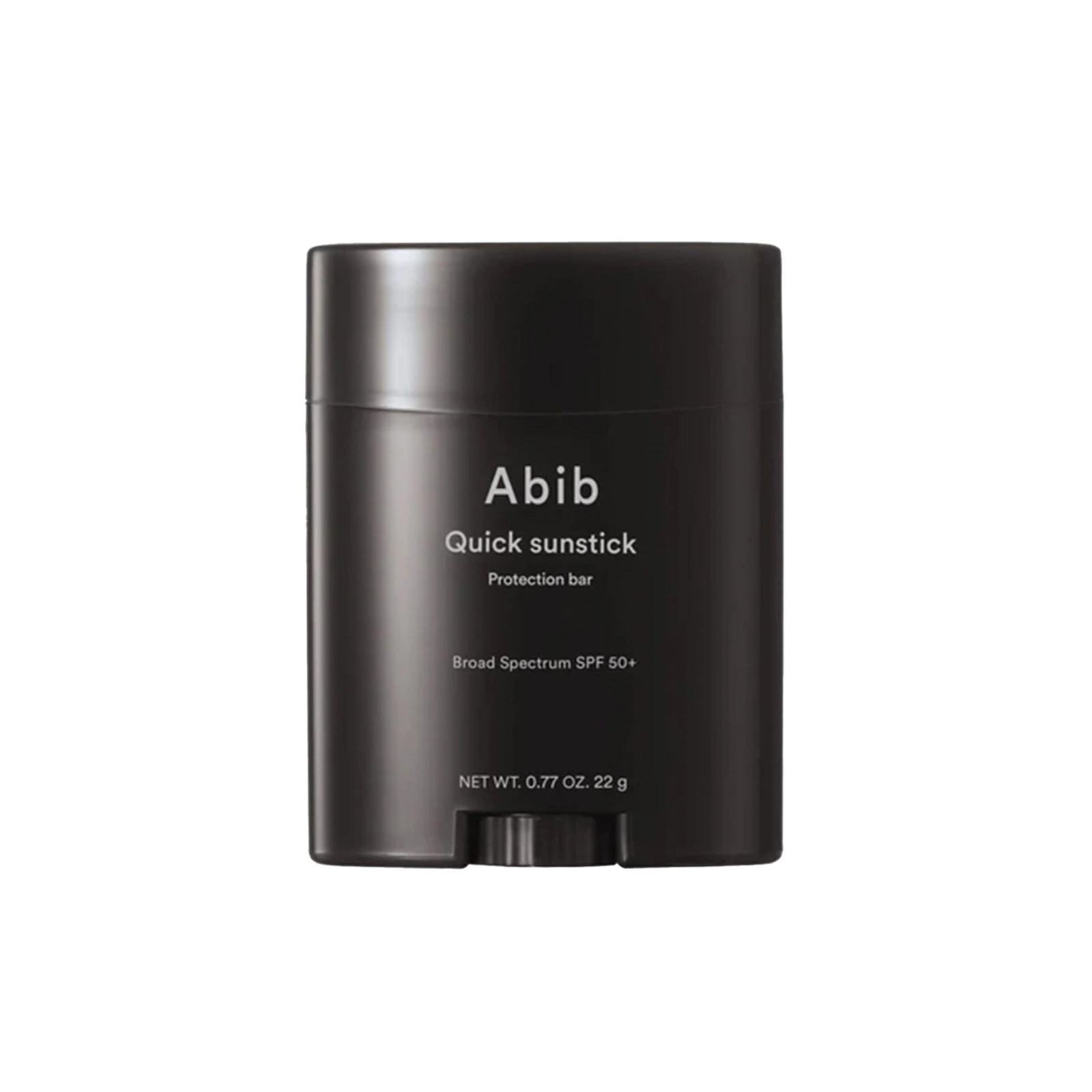
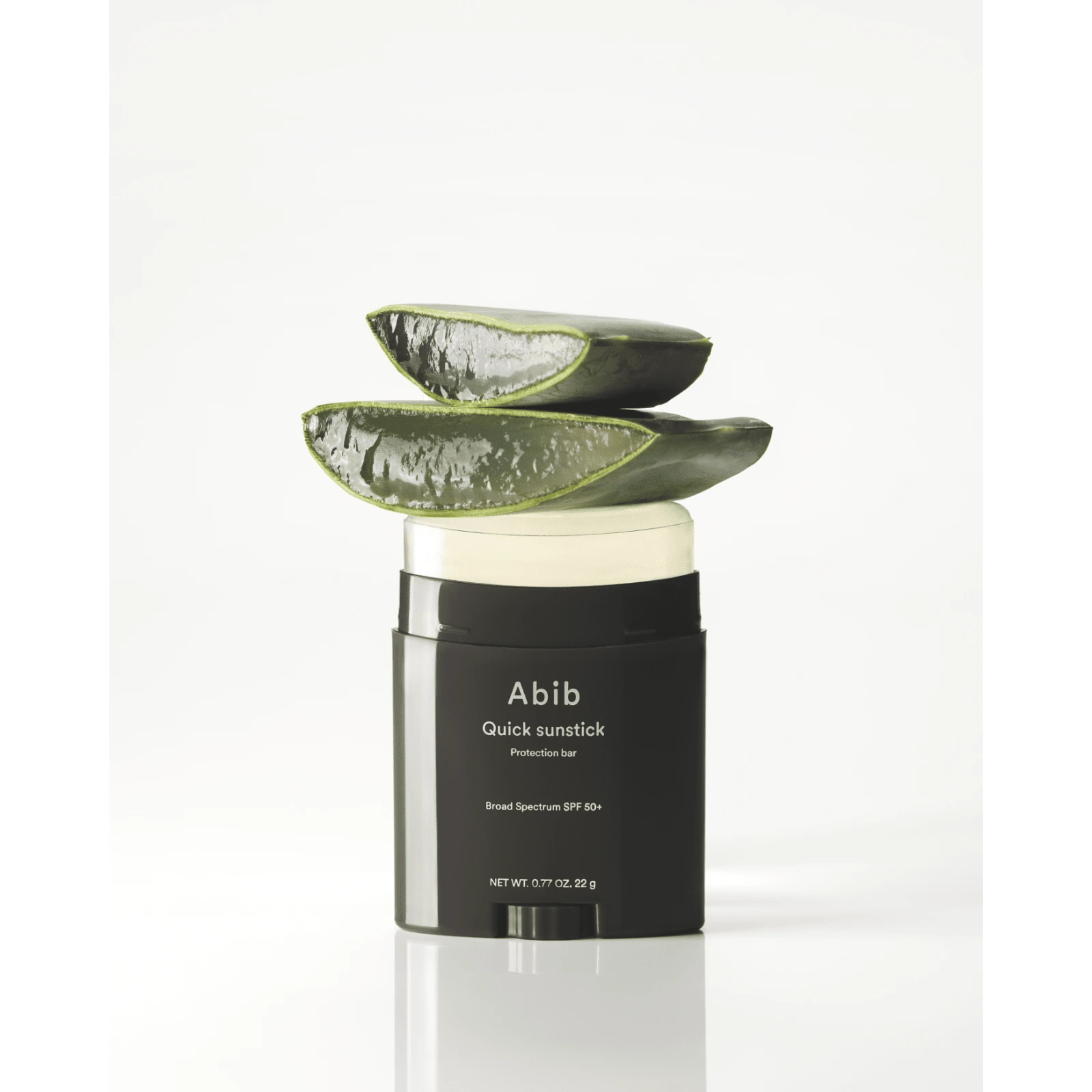
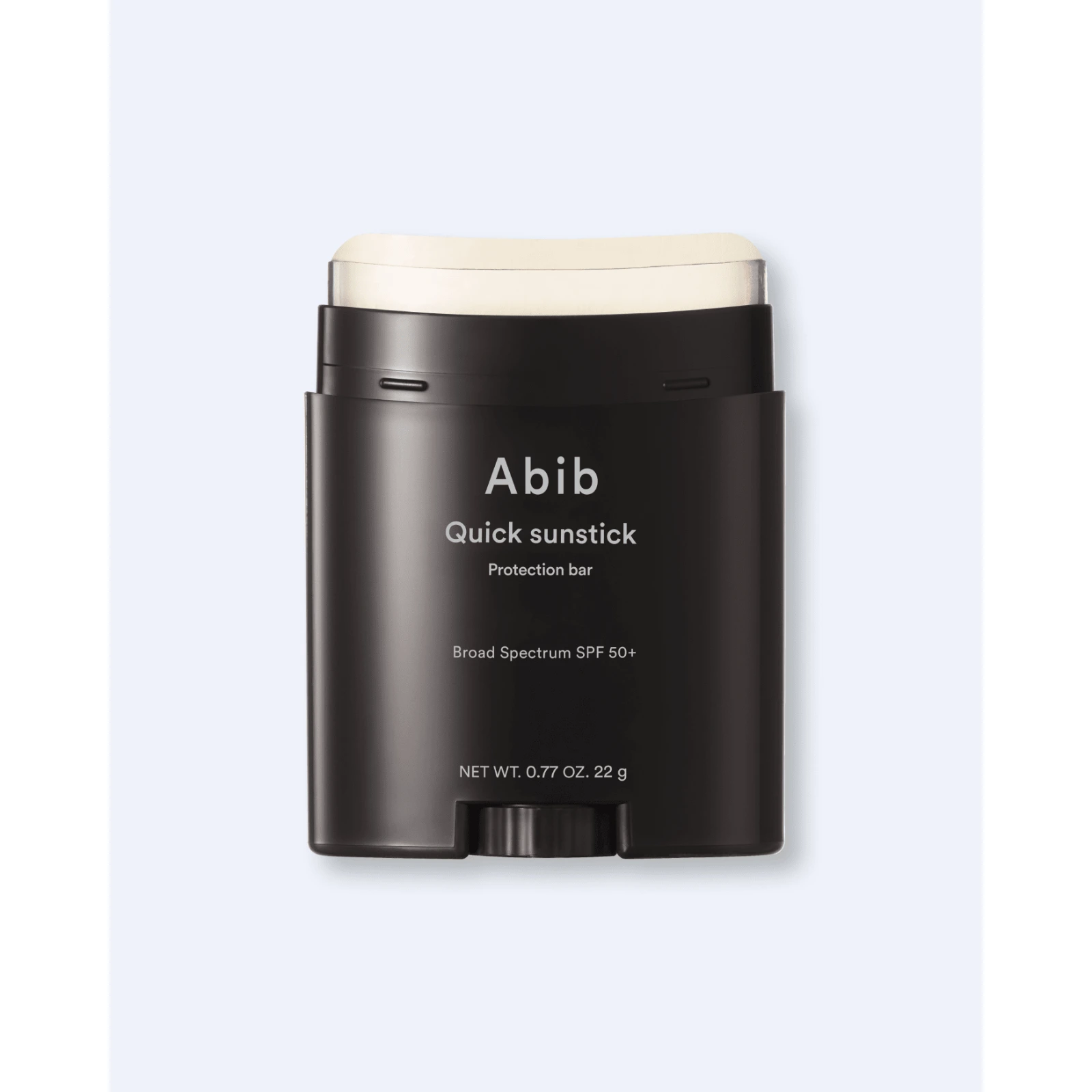
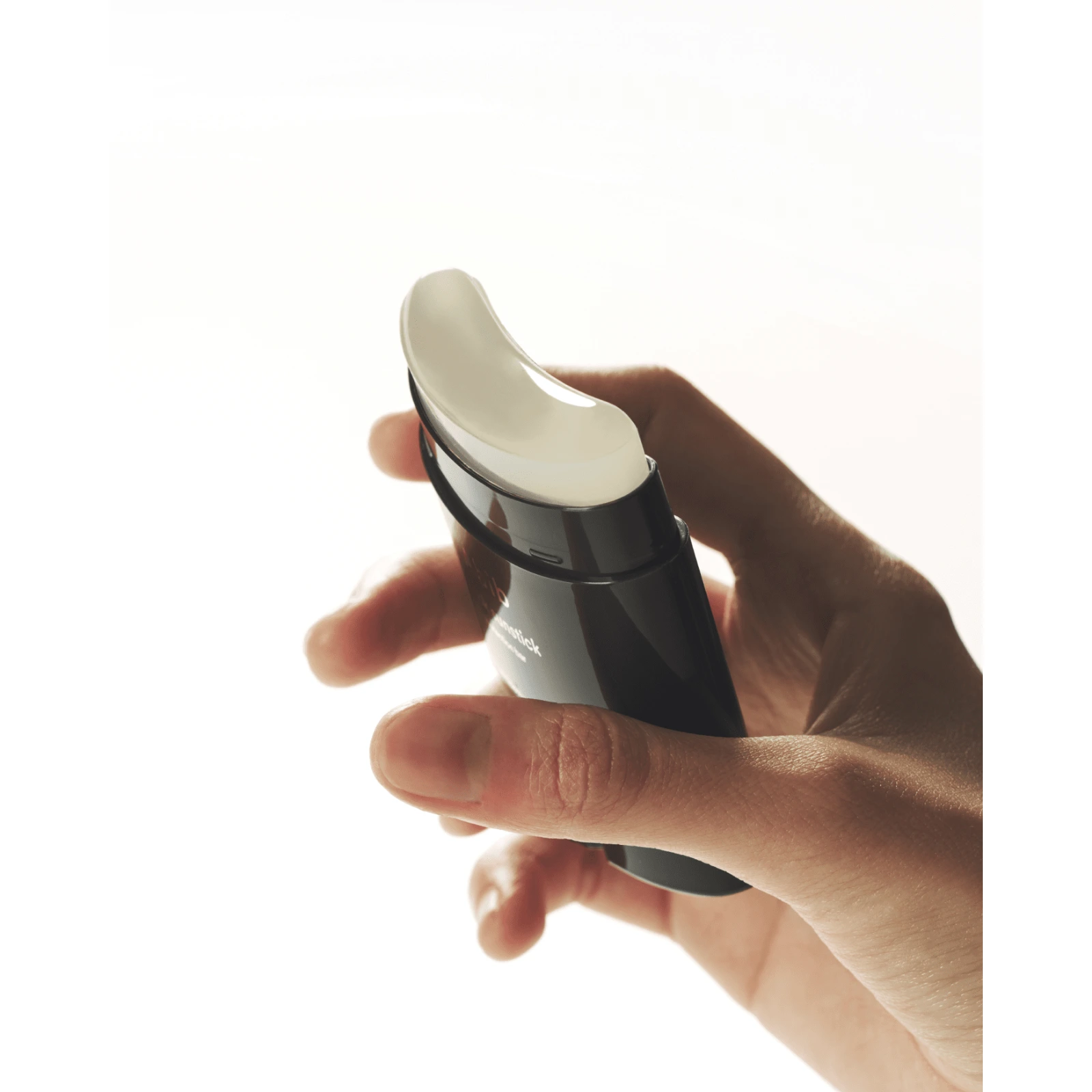
The Abib Quick Sunstick Protection Bar is a 22 g solid sunscreen stick rated SPF50+ PA++++. You twist it up, swipe it over the skin and blend with your fingers. There is no cream to rub in and nothing to spill in a bag.
This is the first Abib product we have listed, and we chose it deliberately. Bangladesh gets strong sun all year and sunscreen is the single most useful thing most people can add to a routine here, but the sunscreen aisle is also where the worst products hide behind the best-sounding numbers.
The good news first: the filter system in this stick is genuinely well built, and better than most sunscreens at this price. Then we need to talk honestly about what a stick can and cannot do, because that is where the SPF50+ on the label stops being the whole story.
The Abib Quick Sunstick has five UV filters, and two are the good ones
The Abib Quick Sunstick uses five organic UV filters. Three of them are the standard workhorses. Two are the ones worth paying for.
Bis-Ethylhexyloxyphenol Methoxyphenyl Triazine, ninth
Better known as Tinosorb S. A broad-spectrum filter that covers both UVB and UVA, and one of the most photostable filters available — it does not break down quickly in sunlight, and it stabilises the other filters alongside it. It is not approved in the United States, which is why American sunscreens are generally a generation behind Korean and European ones.
Diethylamino Hydroxybenzoyl Hexyl Benzoate, eighth
Uvinul A Plus. A dedicated, photostable UVA filter. This is the ingredient that earns the PA++++ rating rather than merely claiming it.
The other three
Ethylhexyl methoxycinnamate at three, ethylhexyl salicylate at seven and octocrylene at eleven. Standard UVB filters. Octinoxate and octocrylene are not photostable on their own, which is exactly why the Tinosorb matters — it holds the whole system together.
Put simply: a lot of sunscreens reach SPF50 on UVB filters alone and then claim UVA protection they cannot support. The Abib Quick Sunstick has real UVA filters in it, and the PA++++ rating is backed by the formula rather than by optimism.
The honest problem with the Abib Quick Sunstick, and every sunscreen stick
Here is the thing almost nobody selling a sunstick will tell you, and it applies to this one as much as any other.
SPF is measured in a laboratory at an application density of 2 milligrams per square centimetre. For a whole adult face and neck that is roughly a third of a teaspoon of product — a genuinely large amount, more than most people realise. Every SPF number on every bottle assumes you applied that much.
Studies of real-world use consistently find people apply somewhere between a quarter and half of that, and the protection you get falls off faster than the shortfall suggests. With a cream you can at least see how much you have squeezed out. With a stick you cannot.
This is not a flaw in the Abib Quick Sunstick specifically. It is a property of the format. A stick deposits a thin film by design — that is why it feels light and does not leave a cast — and a thin film is exactly what an SPF number does not assume.
What to do about it: swipe each area four or more times, back and forth, until you can see a slight sheen, then blend. If you finish applying and your face does not look faintly dewy, you have not used enough. And reapply every two hours in real sun regardless.
Where the Abib Quick Sunstick genuinely wins
Reapplication. The reason to own the Abib Quick Sunstick is not that it beats a cream on the first application — it does not. It is that you will actually reapply it at 2pm over makeup, in a rickshaw, without washing your hands. A sunscreen you reapply beats a better sunscreen you do not.
Our honest recommendation: use a cream sunscreen as your morning base, and carry this for the top-ups. Used that way it is excellent. Used as your only sun protection, assume you are getting meaningfully less than SPF50.
The Abib Quick Sunstick ingredient list — all thirty
Octyldodecanol, Butylene Glycol Dicaprylate/Dicaprate, Ethylhexyl Methoxycinnamate, Dibutyl Ethylhexanoyl Glutamide, Dibutyl Lauroyl Glutamide, Diisostearyl Malate, Ethylhexyl Salicylate, Diethylamino Hydroxybenzoyl Hexyl Benzoate, Bis-Ethylhexyloxyphenol Methoxyphenyl Triazine, Dextrin Palmitate, Octocrylene.
Camellia Sinensis Leaf Extract, Centella Asiatica Extract, Aloe Barbadensis Leaf Juice, Cucumis Sativus (Cucumber) Fruit Extract, Aloe Barbadensis Leaf Extract, Glycerin, Water, Butylene Glycol, Saccharide Isomerate, Maltodextrin.
Hydrolyzed Vegetable Protein, Caprylic/Capric Triglyceride, Hydrogenated Lecithin, Ethyl Hexanediol, Ceramide NP, Citric Acid, Sodium Citrate, Ethylhexylglycerin, Phenoxyethanol.
Thirty ingredients. No fragrance and no essential oils — Abib states this and the list confirms it. For a product you reapply to your face several times a day, that is worth more than any botanical in the formula.
What else is in the Abib Quick Sunstick
The gelling system, fourth and fifth
Dibutyl ethylhexanoyl glutamide and dibutyl lauroyl glutamide are what turn the oils into a solid bar. They are structural, not active, and they are why the Abib Quick Sunstick holds its shape in heat better than a wax-based stick would.
Centella asiatica and green tea, twelfth and thirteenth
Both above the aloe and both reasonable soothing ingredients, though in a rinse-free product applied thinly, do not expect them to do much beyond making the finish pleasant.
Ceramide NP, twenty-sixth
A genuine barrier lipid, low in the list. A nice inclusion in a sunscreen rather than a reason to buy one.
One thing to know about octinoxate
Ethylhexyl methoxycinnamate, the third ingredient, is restricted in a few jurisdictions — Hawaii and Palau among them — over concerns about coral reef impact. That has no bearing on its safety for your skin and no bearing on anything in Bangladesh, but if you are swimming over reefs on holiday it is worth knowing the Abib Quick Sunstick contains it.
How to read a sunscreen label without being sold to
Sunscreen is the category where the number on the front is least connected to the protection you get, so here are the four things we check before we stock one.
Look for the UVA filters by name. SPF measures UVB only. UVA is what drives pigmentation and photoageing, and it is present at roughly the same intensity all day and all year. A sunscreen can hit SPF50 on cheap UVB filters alone and claim broad spectrum on very little. Look for Tinosorb S, Tinosorb M, Uvinul A Plus or Mexoryl by their INCI names. The Abib Quick Sunstick has two of them.
Check where the filters sit in the list. Filters have to be present at percentages high enough to appear near the top. If the only filter you can find is at position twenty, the SPF claim is doing work the formula is not.
Discount the format. Sticks, powders and mists all deposit less product than a cream. None of them are as protective in practice as their number suggests, and the honest sellers say so. Creams and lotions are the formats where the tested number and the real number are closest.
Ignore the botanicals entirely. Centella, green tea and aloe are pleasant. They are not sun protection, and a brand leading with them instead of its filters is telling you something about its filters.
Apply those four checks to any sunscreen on any site, including ours. It takes about a minute and it is the most useful minute in skincare.
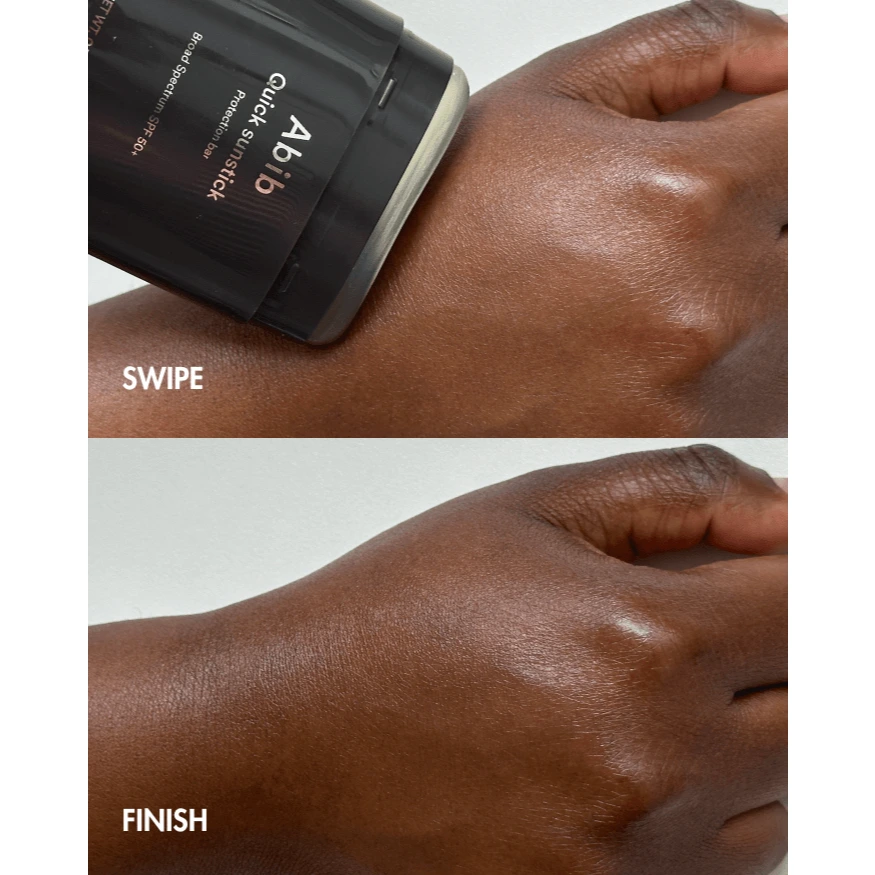
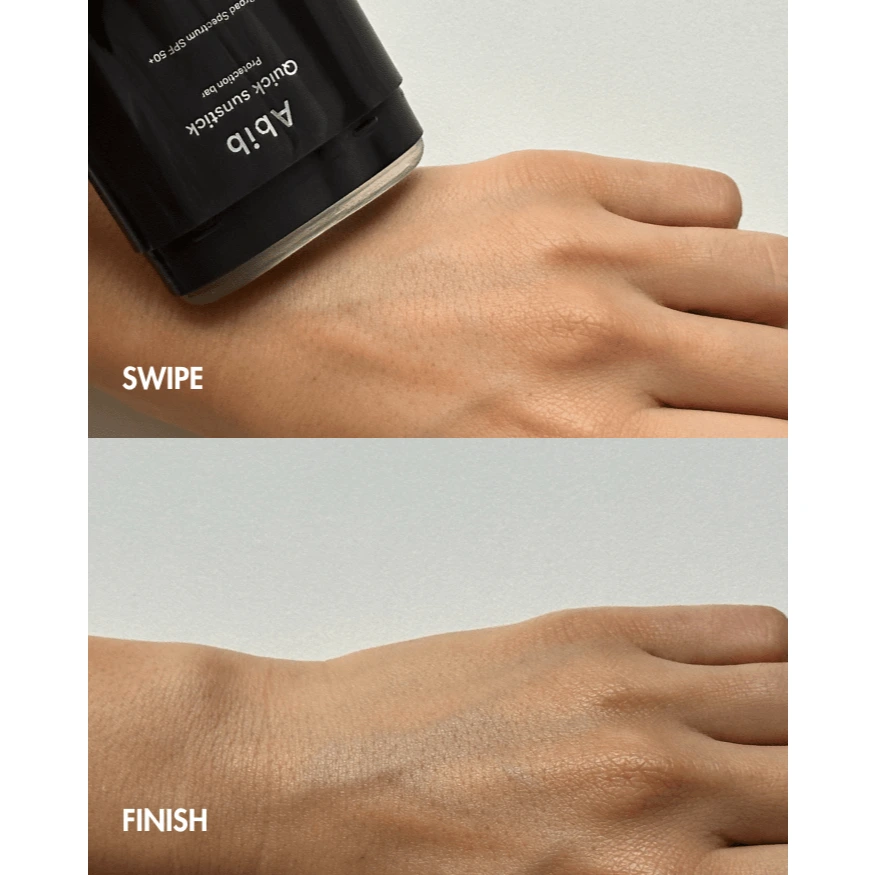
No white cast, and we can show you on two skin tones
Abib photographs the swipe-and-blend finish on both a lighter and a deeper skin tone, and neither shows a cast. We have put both images on this page rather than the flattering one.
This matters more here than it does in the markets these products are designed for. Mineral sunscreens built on zinc oxide and titanium dioxide leave a grey or purple cast on medium and deep skin, and a great many people in Bangladesh have quietly given up on sunscreen for exactly that reason. The Abib Quick Sunstick uses only organic filters, so there is nothing in it to leave a cast at all.
The trade-off is that organic filters need to be reapplied more diligently than mineral ones, and that some people find them stinging around the eyes. If mineral sunscreen has been your problem, this is a straightforward fix.
How to use the Abib Quick Sunstick
- Apply as the final step of your morning routine, after moisturiser, before makeup.
- Twist up two to three millimetres of product. Do not wind out more than you need — you cannot wind it back.
- Swipe each area of the face four or more times, back and forth. Forehead, each cheek, nose, chin, and do not forget the ears, the jawline and the back of the neck.
- Blend with clean fingertips until the sheen evens out.
- Wait fifteen minutes before going out.
- Reapply every two hours in direct sun, and after sweating or swimming.
The four-swipe instruction is the one that matters. One pass with the Abib Quick Sunstick lays down a fraction of the film the SPF50+ rating was tested at. Four passes gets you into the right neighbourhood.
How the Abib Quick Sunstick suits this climate
Bangladesh has a UV index that runs high for most of the year, and the case for daily sunscreen here is not cosmetic — it is the single most effective anti-ageing and pigmentation measure available, and it matters for skin cancer risk regardless of skin tone.
Three things make a stick particularly sensible in Dhaka.
Heat. A stick does not run into your eyes when you sweat the way a cream can. The glutamide gelling system also holds up better in heat than a wax-based stick, though we would still not leave it in a parked car.
Reapplication in public. This is the real argument. Reapplying a cream sunscreen at midday means finding a mirror, a sink and clean hands. The Abib Quick Sunstick you can swipe over your face at a desk, in traffic or between classes in about ten seconds, over makeup, without touching the product.
Humidity. No white cast, no heavy film, and it does not pill under the sweat that a thick cream does. It sits well on oily skin in a Dhaka June.
Who the Abib Quick Sunstick suits
Good fit: anyone who needs to reapply sunscreen during the day, people who wear makeup and cannot rub in a cream over it, medium and deep skin tones that have been let down by mineral sunscreens, oily skin, and anyone who has simply never stuck with sunscreen because the routine was too much effort.
Poor fit: as a sole sun protection product for a long day outdoors, unless you are genuinely disciplined about applying four passes and reapplying. Also poor if organic filters have stung your eyes before, or if you specifically need a mineral sunscreen for very reactive skin.
For children, ask your doctor. We would not make a recommendation on a chemical sunscreen for a young child from behind a shop counter.
How long a 22 g Abib Quick Sunstick lasts
A proper four-pass application to the face and neck uses roughly 0.3 to 0.4 g. At one application a day that puts a 22 g Abib Quick Sunstick at around two months. Used as a midday top-up two or three times a week over a cream base, it will last considerably longer.
That works out to roughly twenty-five to thirty taka per full application if it is your only sunscreen. As a top-up stick alongside a cream, the cost per use drops sharply.
If a 22 g stick is lasting you six months as your only sunscreen, you are not applying enough. That is a useful self-check and we would rather you heard it from us.
Questions we get asked
Is the Abib Quick Sunstick SPF50+ PA++++ the highest rating?
Yes on both counts. SPF50+ is the top UVB category in Korea and Europe, and PA++++ is the highest UVA grade in the Asian rating system. What matters is whether the filters justify it, and here they do.
Will the Abib Quick Sunstick leave a white cast?
No. There is no zinc oxide or titanium dioxide in it, so there is nothing to leave a cast on any skin tone.
Can I use the Abib Quick Sunstick over makeup?
Yes, and that is its best use. Swipe gently and press rather than rubbing, and your makeup will survive it better than it would survive a cream.
Does the Abib Quick Sunstick sting the eyes?
It should not, but organic filters can migrate with sweat. Keep it slightly off the lash line, and if you are prone to stinging, use a mineral cream around the eyes and the stick everywhere else.
Will the Abib Quick Sunstick break me out?
There are emollient oils in it, which some acne-prone skin does not love. It is fragrance-free, which removes the most common irritant. Patch test along the jaw for a few days if you break out easily.
Is the Abib Quick Sunstick water resistant?
Abib does not publish a water-resistance rating that we can verify, so we will not claim one. Reapply after swimming or heavy sweating.
Is it safe in pregnancy?
Organic UV filters are a topic people often raise with their doctors in pregnancy. There is no consensus that they are unsafe, but if it concerns you, a mineral sunscreen sidesteps the question entirely. Ask your doctor rather than a shop.
How we store and ship the Abib Quick Sunstick
Stock sits in air-conditioned storage in Dhaka until it goes out. Heat softens a sunstick and a bar that has melted and reset is not the same product — the filter distribution changes and the texture goes grainy.
Your stick is sealed when it leaves us and it is stock we imported ourselves, not a unit bought from another local seller and passed along. If it arrives soft, melted or damaged, raise it with us the day it lands and we will replace it. At home, keep it out of a car and off a sunlit windowsill.
Check the batch date. Sunscreen filters degrade, and we do not sell short-dated stock.
Where the Abib Quick Sunstick fits in your routine
Last step of the morning, after moisturiser, before makeup. Then again at midday and mid-afternoon if you are outdoors.
If you are building a routine from nothing, sunscreen is the first thing to buy, ahead of every serum on this site. It does more for pigmentation and fine lines than any active we sell, and the pigmentation serums we stock are working against the sun every day they are not paired with it.
Buying the Abib Quick Sunstick in Bangladesh
Sealed 22 g stick, imported by us, in stock in Dhaka with nationwide delivery. Every ingredient on this page is transcribed from the published list, and you can check any filter name against the EU CosIng database yourself.
Browse the rest of our sunscreens, or see everything we stock from Abib.
Reviews
There are no reviews yet.