Description
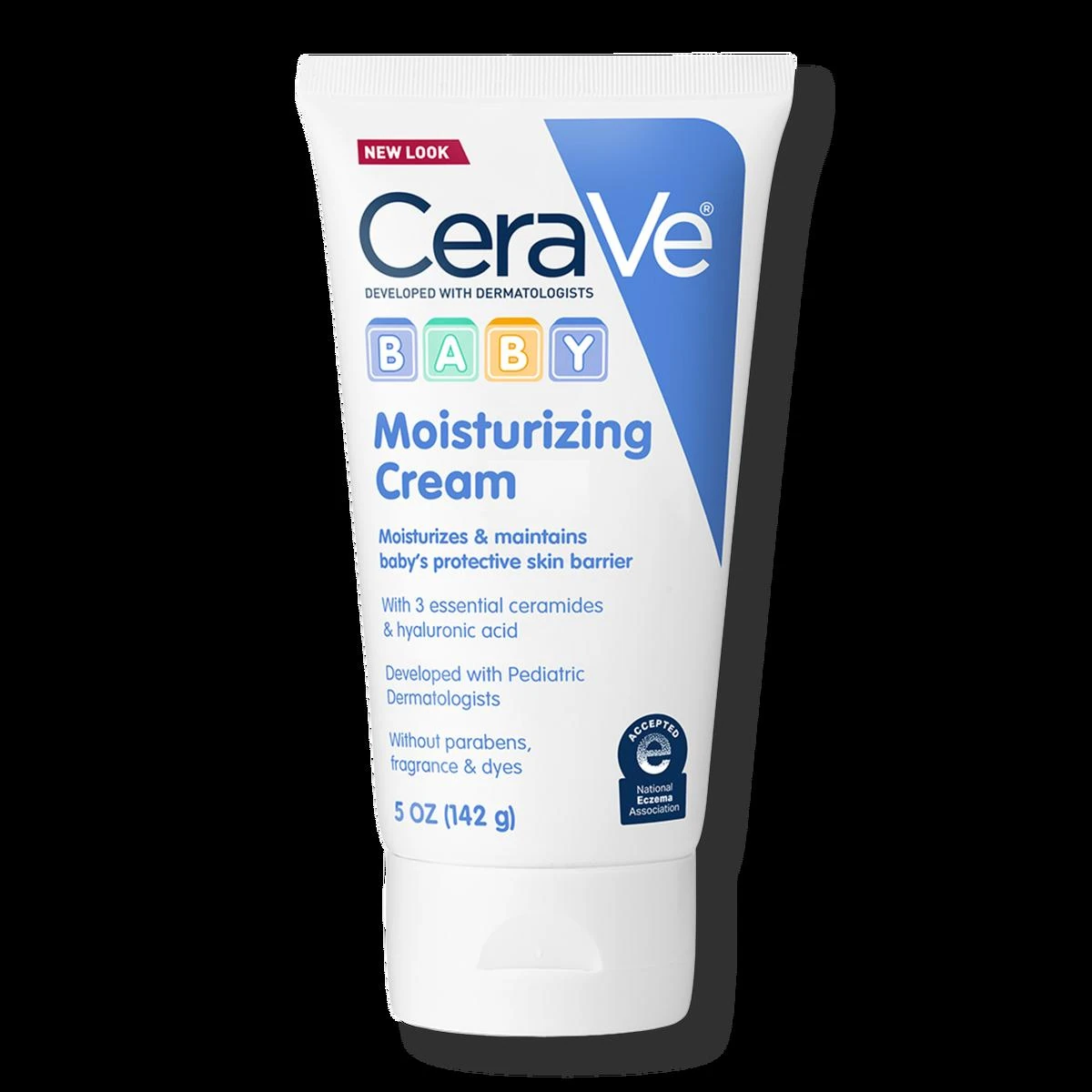
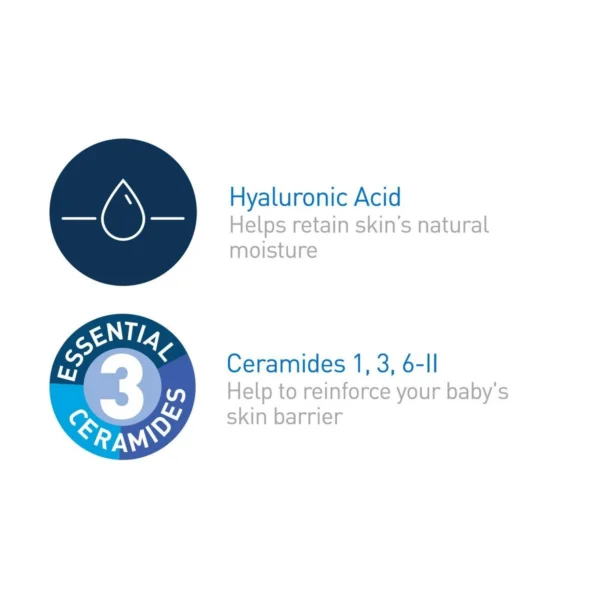
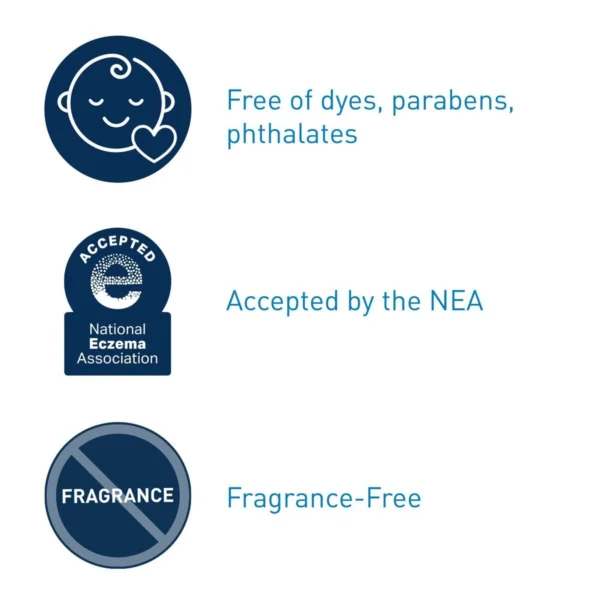
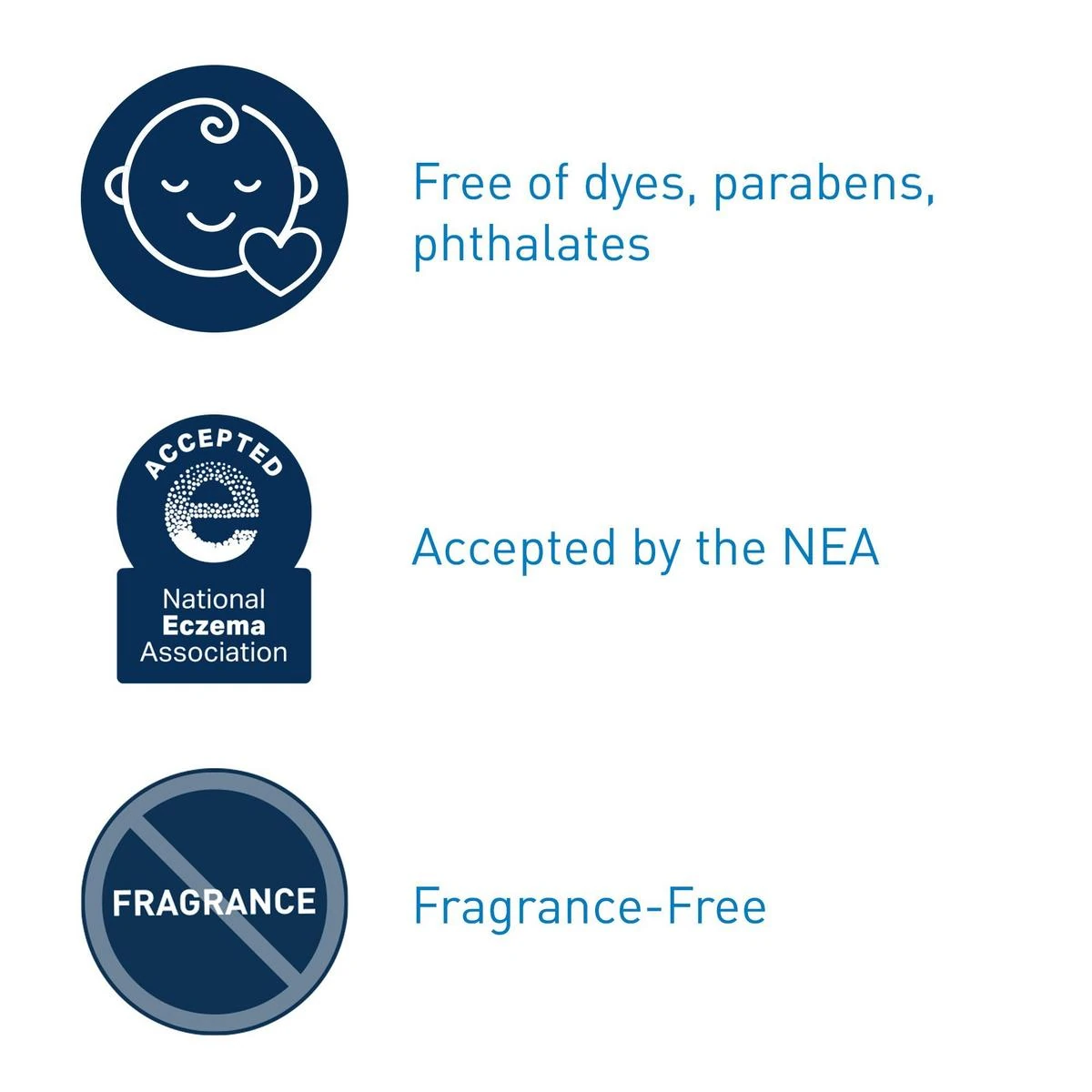
The CeraVe Baby Moisturizing Cream is a fragrance-free, dye-free, paraben-free barrier cream developed with pediatric dermatologists for a baby’s first four years. It is a 142g tube built on the same three essential ceramides, hyaluronic acid and MVE technology that run through the rest of the CeraVe range, and it carries the National Eczema Association Seal of Acceptance.
Table of contents
Use this table of contents to jump through the CeraVe Baby Moisturizing Cream guide.
- What the CeraVe Baby Moisturizing Cream Is
- Full Official Ingredient List
- Baby Formula vs Adult Formula — the Comparison Nobody Publishes
- Where Each Ingredient Sits
- Who It Is For
- How to Use the CeraVe Baby Moisturizing Cream
- Bangladesh-Specific Notes for Parents
- Baby Cream or Baby Lotion?
- Common Mistakes
- Building a Simple Routine
- Texture, Feel and How It Wears
- How It Compares to Other Baby Creams Sold Here
We are going to do something on this page that no other Bangladeshi listing does: put the baby formula and the adult formula side by side, ingredient for ingredient, and show you exactly what CeraVe changed. The answer is smaller than you would expect, and it matters both ways.
What the CeraVe Baby Moisturizing Cream Is
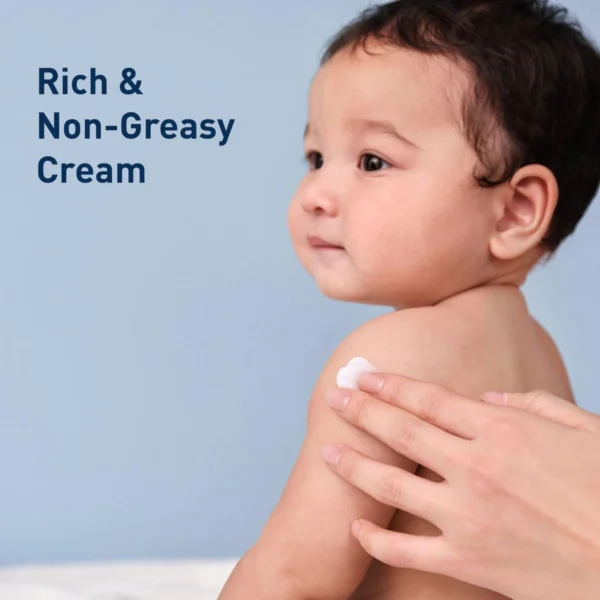
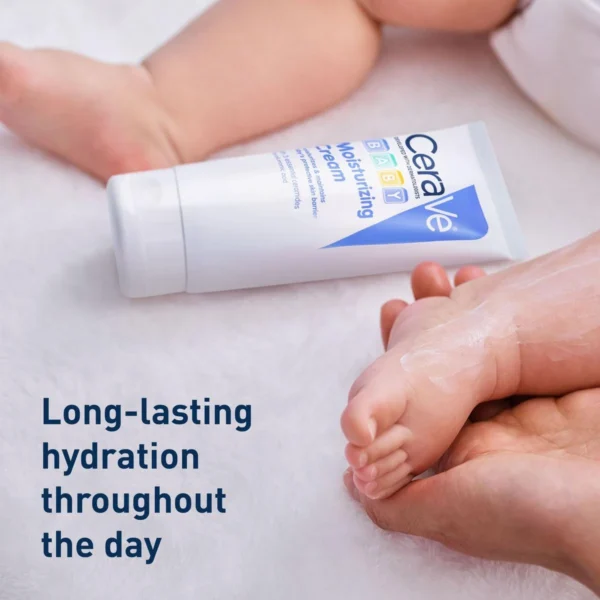
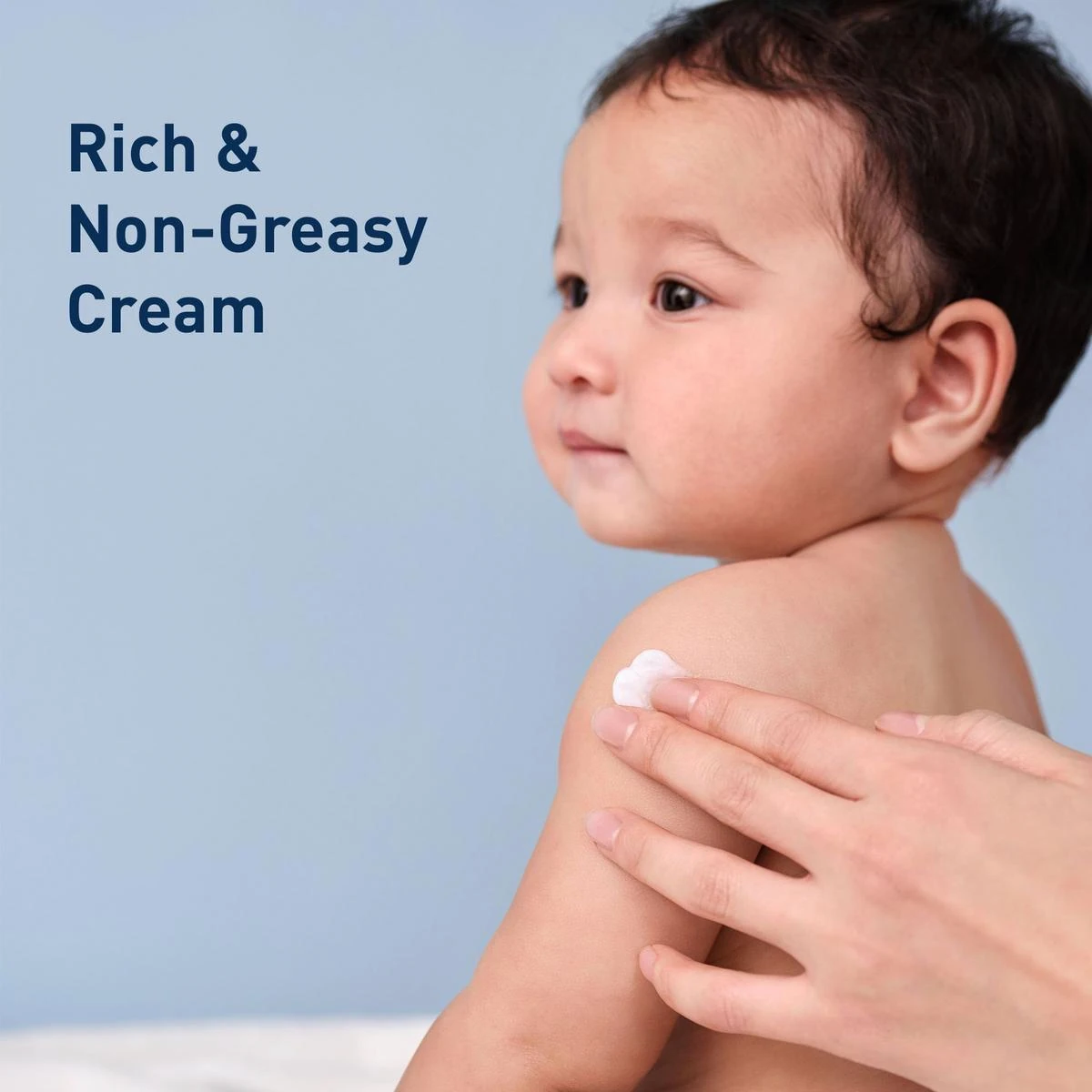
The CeraVe Baby Moisturizing Cream is a rich, non-greasy cream in a 5 oz / 142 g squeeze tube. CeraVe describes it as providing up to 24 hours of moisture and as suitable for a baby’s developing skin through the first four years of life. It is a daily moisturiser, not a treatment — there is no active pharmaceutical ingredient in it, no steroid, and nothing intended to treat a diagnosed skin condition.
The tube format matters more here than it might seem. Baby skincare gets applied by tired parents, often one-handed, often at three in the morning. A squeeze tube dispenses cleanly and keeps fingers out of the product, which is the right choice for skin that is more permeable than an adult’s.
Full Official Ingredient List
The CeraVe Baby Moisturizing Cream contains twenty-three ingredients, exactly as CeraVe publishes them, in order:
Aqua / Water / Eau, Glycerin, Cetearyl Alcohol, Caprylic/Capric Triglyceride, Cetyl Alcohol, Ceteareth-20, Dimethicone, Petrolatum, Potassium Phosphate, Ceramide NP, Ceramide AP, Ceramide EOP, Carbomer, Behentrimonium Methosulfate, Sodium Lauroyl Lactylate, Sodium Hyaluronate, Cholesterol, Phenoxyethanol, Dipotassium Phosphate, Disodium EDTA, Phytosphingosine, Xanthan Gum, Ethylhexylglycerin.
Baby Formula vs Adult Formula — the Comparison Nobody Publishes
Parents ask this constantly and get vague answers. Here is the real one. Set the CeraVe Baby Moisturizing Cream against the standard CeraVe Moisturizing Cream and there are exactly two differences.
| Baby Moisturizing Cream | Adult Moisturizing Cream | |
|---|---|---|
| Ingredient count | 23 | 24 |
| Dimethicone position | 7th | 13th |
| Petrolatum position | 8th | 7th |
| Tocopherol (vitamin E) | Not present | 21st |
| Everything else | Identical ingredients in identical order | |
That is the whole difference. CeraVe removed tocopherol and raised dimethicone above petrolatum. Both changes point the same way: tocopherol is a recognised contact sensitiser in a minority of people, and dimethicone is an inert silicone that forms a smooth breathable film. For skin that is thinner and more permeable, removing a potential sensitiser and leaning on an inert occlusive is a defensible pediatric decision.
What it also means, honestly: if you already own the big adult tub and your baby has no history of reaction, the formulas are close enough that a paediatrician is unlikely to object — though we would still ask yours rather than take our word for it. And it means the CeraVe Baby Moisturizing Cream is not marketing theatre. One real change, in the right direction.
Where Each Ingredient Sits
Glycerin, second
The humectant doing the hydration work, and unusually high. Glycerin at position two is a well-dosed formula, not a token inclusion.
Dimethicone and petrolatum, seventh and eighth
These two are the occlusive layer — the part that stops water leaving the skin. Petrolatum is the single most effective and most studied occlusive there is, and it is inert. If you have read that petrolatum is something to avoid in baby products, that claim does not survive contact with the dermatology literature.
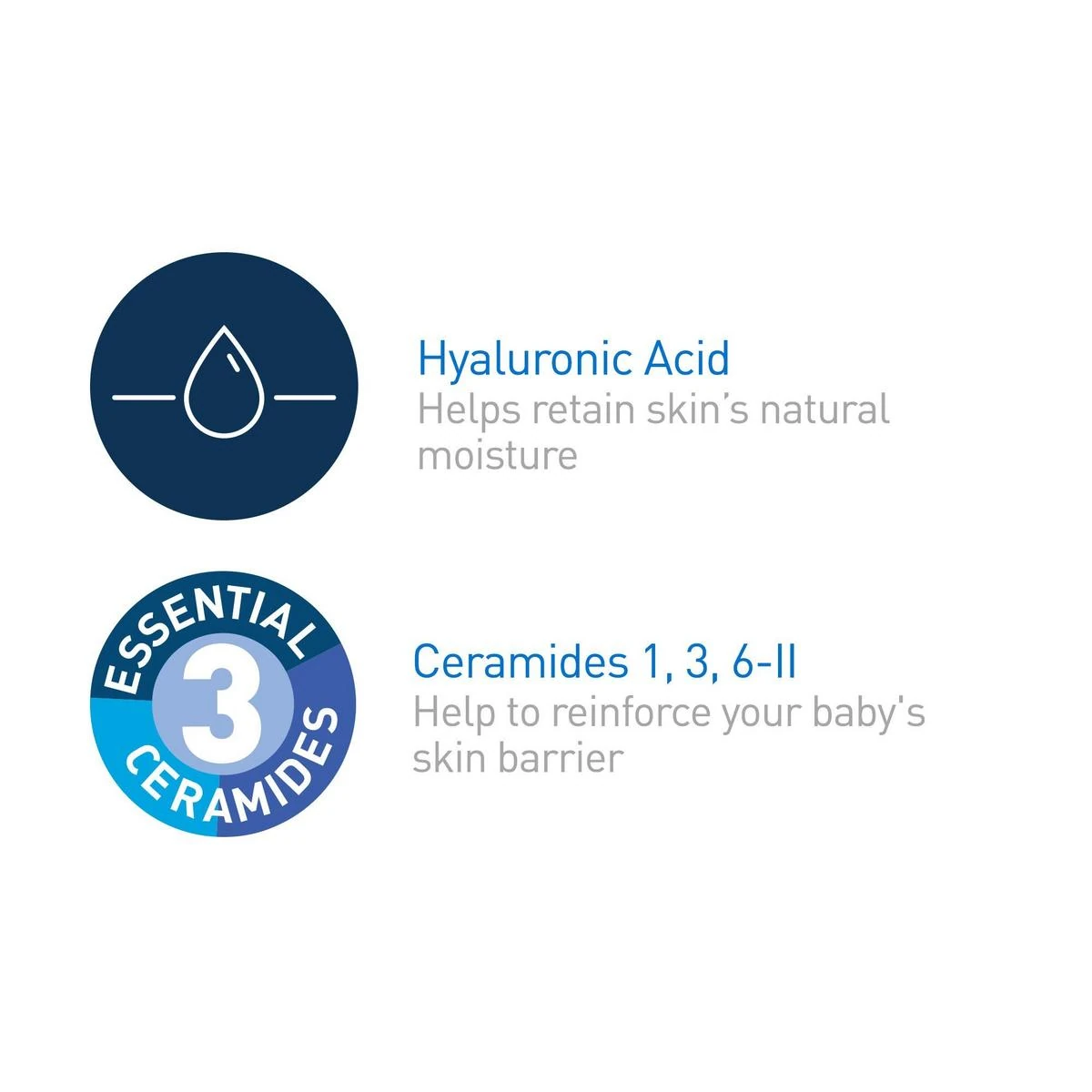
Ceramides NP, AP and EOP, tenth to twelfth
Above the preservative line, so present in real quantity. These are the lipids an infant’s barrier is still building, and they are the reason the CeraVe Baby Moisturizing Cream sits in a different class from a basic baby lotion.
Sodium hyaluronate, sixteenth
Present, supporting, not a headline. We would not buy this cream for its hyaluronic acid.
Phenoxyethanol, eighteenth
The preservative. Every water-containing product needs one; an unpreserved cream in Bangladeshi humidity is a microbiology problem, not a purity win.
Who It Is For
- Newborns and infants with dry skin. The core use. Daily, after the bath, while skin is still slightly damp.
- Eczema-prone babies. The NEA Seal of Acceptance means the formula was reviewed against criteria for sensitive and eczema-prone skin. It is not a treatment for eczema — that needs your doctor.
- Winter and air-conditioned homes. Both strip water from thin skin faster than parents expect.
- Adults with very sensitive or reactive skin. Nothing stops an adult using the CeraVe Baby Moisturizing Cream, and the tocopherol-free formula is a reasonable pick if vitamin E has irritated you before.
Who should look elsewhere: anyone wanting a treatment for diagnosed eczema, cradle cap or a rash of unknown origin. Those need a paediatrician, not a moisturiser. And anyone whose baby has had a reaction to a silicone or to petrolatum should check the list against that history first.
How to Use the CeraVe Baby Moisturizing Cream
CeraVe’s official direction: “Apply baby cream liberally as often as needed, or as directed by a physician.”
- Within three minutes of the bath. This is the single highest-value habit in baby skincare. Pat dry, leave skin slightly damp, apply immediately — you are sealing in water that is already there.
- Warm it between your palms first. Cold cream on a baby is a fight you will lose.
- Cover the dry areas properly. Cheeks, shins, forearms, the backs of the knees and the nappy area edges.
- Reapply as needed. There is no daily limit; it is a moisturiser, not a medicine.
- Avoid the eyes and mouth. Not harmful in principle, but nothing belongs there.
In a Bangladeshi summer, once daily after the evening bath is usually enough. In winter, or if the house runs air conditioning overnight, twice daily on the exposed areas is more realistic.
Bangladesh-Specific Notes for Parents
Three things about this climate that change how the CeraVe Baby Moisturizing Cream behaves.
Heat rash is not dry skin. Prickly heat is a blocked-sweat-duct problem, and a rich occlusive cream is the wrong answer for it — it can make it worse. Use the CeraVe Baby Moisturizing Cream for dryness, flaking and tightness; for prickly heat, cool the child down and keep the skin dry and airy instead.
Humidity does not mean skin is hydrated. Air conditioning, hard water and frequent bathing all pull water out of thin skin regardless of what the humidity reading says. Dry patches in July are common here and surprise a lot of parents.
Storage matters. Keep the tube out of direct sun and away from a hot window. The formula is stable, but a cream stored at 40°C in a car does no one any favours.
Baby Cream or Baby Lotion?
CeraVe sells both and the difference is texture, not quality.
| Baby Moisturizing Cream | Baby Moisturizing Lotion | |
|---|---|---|
| Texture | Rich, thicker | Lighter, pours |
| Best for | Dry patches, winter, targeted areas | Whole-body daily use, summer |
| Format | 142g tube | Pump bottle |
Most families here end up using the CeraVe Baby Moisturizing Cream on the dry spots and a lighter lotion everywhere else. If you are buying one, buy the cream — you can always use less of a rich product, but you cannot make a thin one richer.
Common Mistakes
- Bathing too long, too hot, too often. The most common cause of baby dryness we hear about. Short, warm, once daily.
- Waiting until skin is fully dry to moisturise. You lose most of the benefit. Apply damp.
- Using a fragranced product alongside it. Fragrance is the leading cause of contact reactions in children’s skincare. Pairing a fragrance-free cream with a scented wash undoes the point of buying it.
- Treating a rash with a moisturiser. If it is red, spreading, weeping or the child is uncomfortable, that is a doctor’s visit, not a cream.
- Assuming “natural” is gentler. Essential oils and botanical extracts cause far more paediatric contact dermatitis than petrolatum and dimethicone do.
Building a Simple Routine
A routine built around the CeraVe Baby Moisturizing Cream works best when it is boring. Three steps, the same every day, is more effective than a shelf of products used inconsistently.
Bath. Warm, not hot. Five to ten minutes. A fragrance-free wash, or plain water for a newborn. Long hot baths are the most common cause of the dryness parents then try to fix with cream.
Pat dry. Leave the skin slightly damp rather than rubbing it completely dry. This single habit changes how well any moisturiser performs.
Moisturise immediately. The CeraVe Baby Moisturizing Cream over the whole body, with extra on cheeks, shins and the backs of the knees. Done within three minutes of the bath, it seals in water that is already in the skin.
That is the entire routine. Anything beyond it — oils, powders, layered products — adds risk of reaction without adding benefit for most children.
Texture, Feel and How It Wears
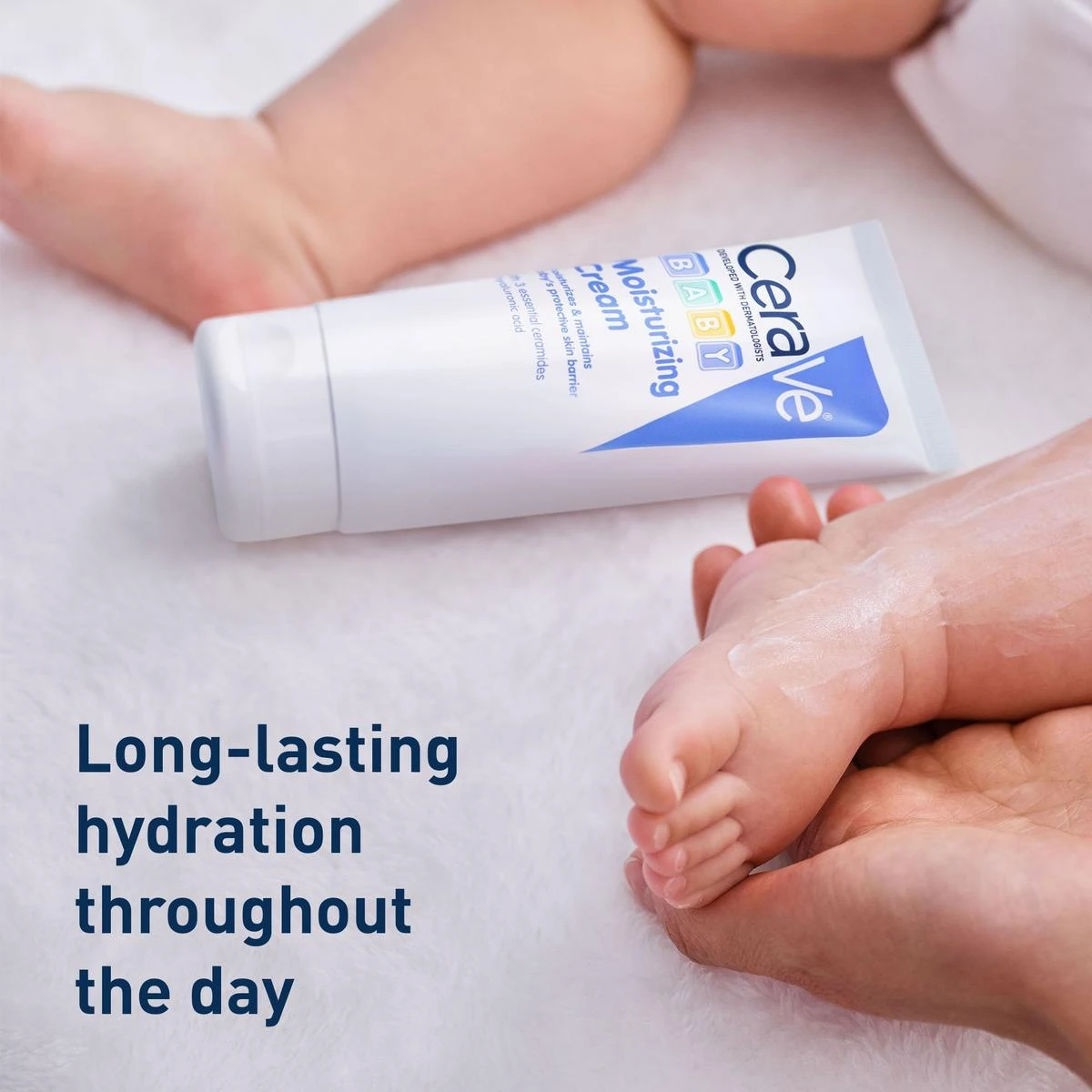
The CeraVe Baby Moisturizing Cream is a genuinely rich cream — thicker than a lotion, not as heavy as an ointment. It goes on white and disappears with about ten seconds of rubbing, leaving a soft, slightly cushioned finish rather than a greasy film. Clothes go on over it within a minute without transferring.
It has no scent at all. Not “lightly fragranced”, not “naturally scented” — nothing. Parents used to perfumed baby products sometimes read that as the CeraVe Baby Moisturizing Cream being unfinished. It is the opposite: fragrance is the single most common cause of contact reactions in children’s skincare, and leaving it out is the most protective decision in the whole formula.
In Dhaka heat, the CeraVe Baby Moisturizing Cream can feel heavy applied head to toe at midday. Use it after the evening bath instead, and keep daytime application to the genuinely dry patches.
How It Compares to Other Baby Creams Sold Here
The baby aisle in Bangladesh divides into three types, and the CeraVe Baby Moisturizing Cream is not in the same category as most of it.
| Type | What is in it | Where it sits |
|---|---|---|
| Perfumed baby lotions | Water, mineral oil, fragrance | Cheap, pleasant, highest reaction risk |
| Oil-based baby products | Mineral or plant oils | Occlusive but no barrier lipids |
| Ceramide barrier creams | Ceramides, cholesterol, humectants | Where the CeraVe Baby Moisturizing Cream sits |
The distinction that matters is barrier lipids. An oil sits on top of skin; ceramides, cholesterol and phytosphingosine are the actual materials skin uses to build its own barrier. That is the argument for the CeraVe Baby Moisturizing Cream over a cheaper perfumed lotion, and it is worth understanding rather than taking on trust.
It is also fair to say what the CeraVe Baby Moisturizing Cream is not. It is not a medicine, not a nappy rash treatment, and not necessary for a child with no dryness at all. Plenty of babies need nothing.
When to Stop, and When to See a Doctor
Stop using the CeraVe Baby Moisturizing Cream and speak to a paediatrician if you see redness that spreads rather than settles, skin that weeps or crusts, a rash that appears within hours of a first application, or any dryness that keeps worsening despite daily use.
None of those are typical for this formula. But a moisturiser is the wrong tool for a skin condition, and the honest advice is to stop reaching for the tube and get the child looked at. We would rather lose a sale than have a parent treat an infection with a barrier cream.
Equally, there is no age at which you must stop. CeraVe formulated the CeraVe Baby Moisturizing Cream for the first four years, but nothing in it becomes unsuitable afterwards — plenty of families simply move to the adult tub for the better price per gram once the child is older.
What CeraVe Does Not Publish
Two things, and we would rather name them than pretend otherwise.
First, no country of manufacture appears on the official product page for the CeraVe Baby Moisturizing Cream. The carton carries it; the website does not. We will not print a country we have not read off the pack in front of us.
Second, no concentrations. CeraVe publishes no percentage for the ceramides, the glycerin or the hyaluronic acid in this formula, and neither will we. Ingredient order is the only honest signal available, which is why this page leans on it so heavily.
Specifications
| Product | CeraVe Baby Moisturizing Cream |
| Brand | CeraVe |
| Size | 142g / 5 oz |
| Format | Squeeze tube |
| Ages | Developed for the first four years |
| Key ingredients | Ceramides NP/AP/EOP, glycerin, hyaluronic acid, dimethicone, petrolatum |
| Free from | Fragrance, dyes, parabens |
| Accreditation | National Eczema Association Seal of Acceptance |
| Developed with | Pediatric dermatologists |
| Ingredient count | 23 |
Warnings
CeraVe’s official warnings, unedited: “Avoid contact with eyes. In case of eye contact, rinse immediately and thoroughly. Keep out of reach of children. Do not swallow.”
We would add the obvious: patch test a small area on the inner forearm for two days before using the CeraVe Baby Moisturizing Cream over a large area on a newborn, and stop immediately if redness or irritation appears. Anything that looks like an allergic reaction is a doctor’s call, not ours.
Frequently Asked Questions
Can I use it on a newborn?
It is formulated for the first four years. For a newborn in the first weeks, ask your paediatrician first — that is standard advice for any product, not a concern specific to this one.
Is it the same as the adult CeraVe cream?
Almost. Twenty-three ingredients versus twenty-four, with tocopherol removed and dimethicone moved above petrolatum. Everything else is identical and in the same order.
Can adults use the CeraVe Baby Moisturizing Cream?
Yes. It is a perfectly good adult moisturiser, and the tocopherol-free formula suits people who react to vitamin E.
Will it treat my baby’s eczema?
No. It carries the National Eczema Association Seal of Acceptance, which means it was reviewed as suitable for eczema-prone skin — that is not the same as treating eczema. See a doctor.
Is petrolatum safe for babies?
Cosmetic-grade petrolatum is highly refined, inert and among the best-studied occlusives in dermatology. It is used in hospital neonatal care.
Can I use it on the nappy area?
On the surrounding skin, yes. For an active nappy rash, a dedicated barrier ointment is the better tool.
Does it help with cradle cap?
Not directly. Cradle cap is a scalp condition and needs a different approach — ask your paediatrician.
How long does a 142g tube last?
Once daily on an infant, typically six to ten weeks. Full-body twice daily on a toddler, considerably less.
Is it safe if my child gets some in their mouth?
It is not intended to be swallowed and the label says so. A small accidental amount is unlikely to cause harm, but call a doctor if you are worried.
Does it need to be kept in the fridge?
No. Room temperature, capped, away from direct sun is fine.
Can I use it on my baby’s face?
Yes, avoiding the immediate eye area and the mouth.
Why We Publish Ingredient Positions
Most baby skincare pages in this market list benefits and stop there. We publish where each named ingredient actually sits in the legal ingredient order, because that is the single most useful thing a parent can know and the easiest thing for a retailer to leave out.
Here it flatters the product: glycerin second, ceramides above the preservative line, and a genuine formulation change from the adult version rather than a relabelled tube. On other products it does not flatter them, and we publish that too. A store that only tells you the good half is not actually telling you anything.
Buying the CeraVe Baby Moisturizing Cream in Bangladesh
If you are building a full routine for a child, pair the CeraVe Baby Moisturizing Cream with a fragrance-free wash and keep everything scented away from them. Browse our baby care range, the wider skin care collection, or read the official product information on CeraVe’s own site.
Reviews
There are no reviews yet.